The easiest way to avoid overpacking is to reduce uncertainty before opening your suitcase. Decide where you are sleeping, how you will get there, and which activities are actually likely. A bag prepared for a real weekend can be much smaller than one prepared for every possible weekend.
Start with the trip you have booked, then make each item justify its place. This guide focuses on planning decisions and trade-offs: choosing a practical bag, resolving clothing dilemmas, and protecting the essentials. It is not a challenge to travel with the fewest possessions or to ignore comfort, accessibility, or medical needs.
Define the weekend before choosing the bag
Write a short description of your trip in ordinary language: two nights in a hotel, a train journey, relaxed city walking, and one dinner reservation. Those facts give you a useful packing brief. If the description instead includes a campsite, a formal event, or specialist equipment, acknowledge that you are planning a different kind of weekend.
Separate confirmed activities from possibilities. An unbooked hike, an imagined swim, and a restaurant you might visit do not automatically deserve three extra outfits. Either commit to the activity and pack for it, or keep it optional and accept that you may choose something else. Keep a small planning note with your arrival arrangements, accommodation access, and return journey. Reducing those unknowns often does more for a lighter bag than buying elaborate travel organizers.
Agree on the plan with a travel companion before packing. If one person imagines a quiet neighborhood break and the other expects an outdoor adventure, the luggage problem is really an itinerary problem.
Choose luggage for the whole journey
Assess the awkward part of your route, not just the flight or train ride. You might need to carry your bag up station stairs, across paving stones, or between a checkout deadline and a late departure. A suitcase that fits a vehicle can still be inconvenient for the rest of the day.
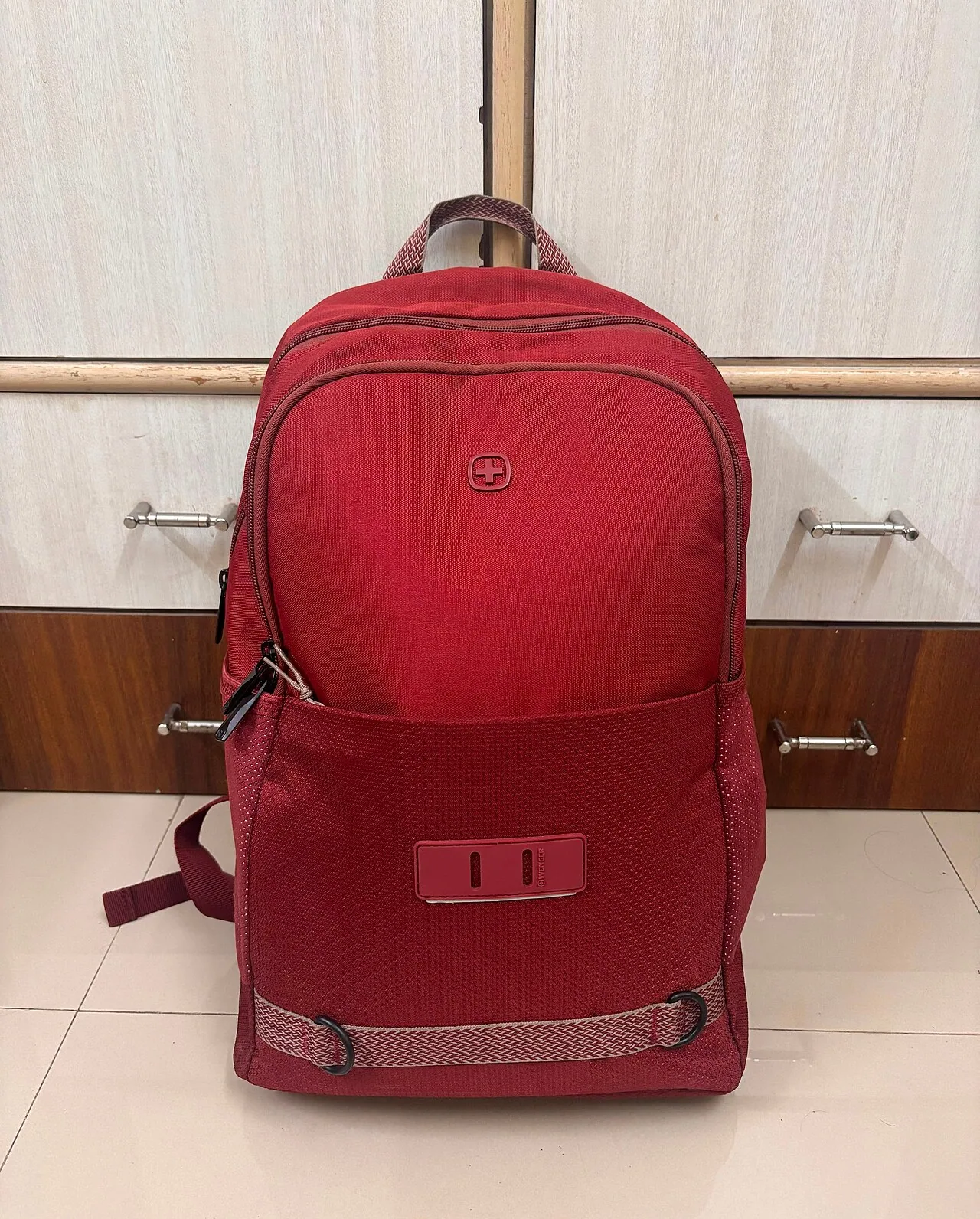
Compare a small rolling case and a comfortable backpack using your actual carrying preferences. Wheels suit some travelers; others find a backpack easier when stairs are unavoidable. Neither option is automatically lighter in practice, especially if the bag itself is heavy. Test the empty weight, handles, and access before filling it.
When flying, check the baggage allowance attached to your specific booking, including each flight segment. A ticket's included cabin allowance, the carrier's size limits, and airport screening rules are different questions. Do not choose a bag simply because its retailer describes it as cabin approved; the operating carrier decides what fits your ticket.
Build outfits around repetition
Plan clothes by complete combinations rather than counting unrelated garments. Choose a small group of pieces that work with the shoes and outer layer you expect to wear. Repeating a comfortable layer over a short trip is usually simpler than packing a new look for each photograph.
Put the outfits on a bed and check what each one actually adds. A second top may provide a useful change after a warm day. A third pair of trousers that serves the same purpose as the first two is a weaker candidate. Keep underwear, socks, and any clothing needed for specific personal requirements outside a simplistic one-outfit rule.
Shoes deserve particular scrutiny because they are bulky and shape the rest of the bag. For a casual city weekend, comfortable walking footwear and one deliberately chosen alternative may be enough; some trips need no alternative at all. Do not bring untested shoes as your only option, and do not remove necessary supportive footwear just to meet an arbitrary packing target.
Pack for the forecast and the gaps
Read the forecast for the destination and the times you will actually be outside. Think about the cooler start of the day, exposure on a waterfront, and whether a long queue is part of your plan. An adaptable layer is often more useful than several single-purpose extras.
For an outdoor-heavy trip, also check official weather alerts before departure. NOAA recommends consulting current forecasts and advisories before finalizing outdoor plans. A serious weather warning can call for changing the activity, not merely putting another item in the bag. This distinction matters when packing advice tempts you to treat every condition as manageable with the right jacket.
Choose a simple fallback activity near your accommodation. If you already know where you could spend a rainy afternoon, there is less reason to carry equipment for an ambitious outdoor plan that may never happen. Leave room for a practical rain layer when appropriate, but keep the fallback focused on changing the schedule rather than expanding the luggage.
Official references: NOAA: outdoor weather safety
Confirm what the accommodation actually provides
Check the accommodation listing or ask a precise question about things you would otherwise carry. A hair dryer, towels, a place to store luggage, or access to laundry may affect your bag more than another packing accessory. Do not assume a kitchen, toiletries, or storage service exists just because a previous hotel offered it.
Distinguish conveniences from essentials. It may be reasonable to skip an ordinary toiletry you can readily obtain at the destination. That logic does not apply to prescription medication, a mobility aid, or an item that is difficult to replace in the form you need. Keep personal health arrangements based on your own professional advice, not a generic minimalist checklist.
For a shared trip, agree on genuinely shareable items before leaving. One compatible charger might serve two devices at different times, but that depends on the devices and your schedule. Write down who is bringing what so a last-minute assumption does not leave both people relying on an item neither packed.
Resolve screening and battery questions early
If flying from a US airport, review TSA's packing checklist and the specific rules for the items you intend to take. Its general carry-on liquids guidance includes container and bag limits; medically necessary liquids have separate provisions. Do not apply a standard toiletries restriction to medication without checking the relevant official exception.
Battery placement is a separate safety question. FAA guidance requires spare lithium batteries and power banks to travel in carry-on baggage rather than checked bags, subject to applicable limits and conditions. If your cabin bag is taken for gate checking, remove those items and follow airline instructions. Protect terminals against short circuiting, and do not travel with damaged or recalled batteries.
Rules at a non-US departure airport and the operating airline may differ or add restrictions. Check both journeys before departure rather than discovering the return rules while repacking at the airport. Saving the official guidance with your booking is more dependable than remembering a rule from an old social post.
Official references: TSA: travel packing checklist · FAA PackSafe: lithium batteries
A worked example: the two-night train break
Imagine a traveler leaving after work on Friday and returning on Sunday evening. Their confirmed plan is a neighborhood walk, a gallery visit, and an informal dinner. They choose the walking shoes they already trust, clothing that can be combined for both days, toiletries they will use, and the essential documents and electronics for the route.
The first draft of their bag also contains running shoes, a bulky second coat, a large camera accessory kit, and an outfit for an unbooked formal restaurant. Rather than removing items randomly, they compare each one with the itinerary. Running is not planned, one adaptable outer layer covers the forecast, and the dinner does not require the additional outfit. The camera kit stays only if photography is a priority worth its weight.
This is a hypothetical example, not a universal packing list. A runner with a booked event or a traveler attending a wedding would make different choices. The useful method is to connect equipment to real commitments, then decide consciously which optional experiences deserve extra luggage.
Do a final edit without removing the essentials
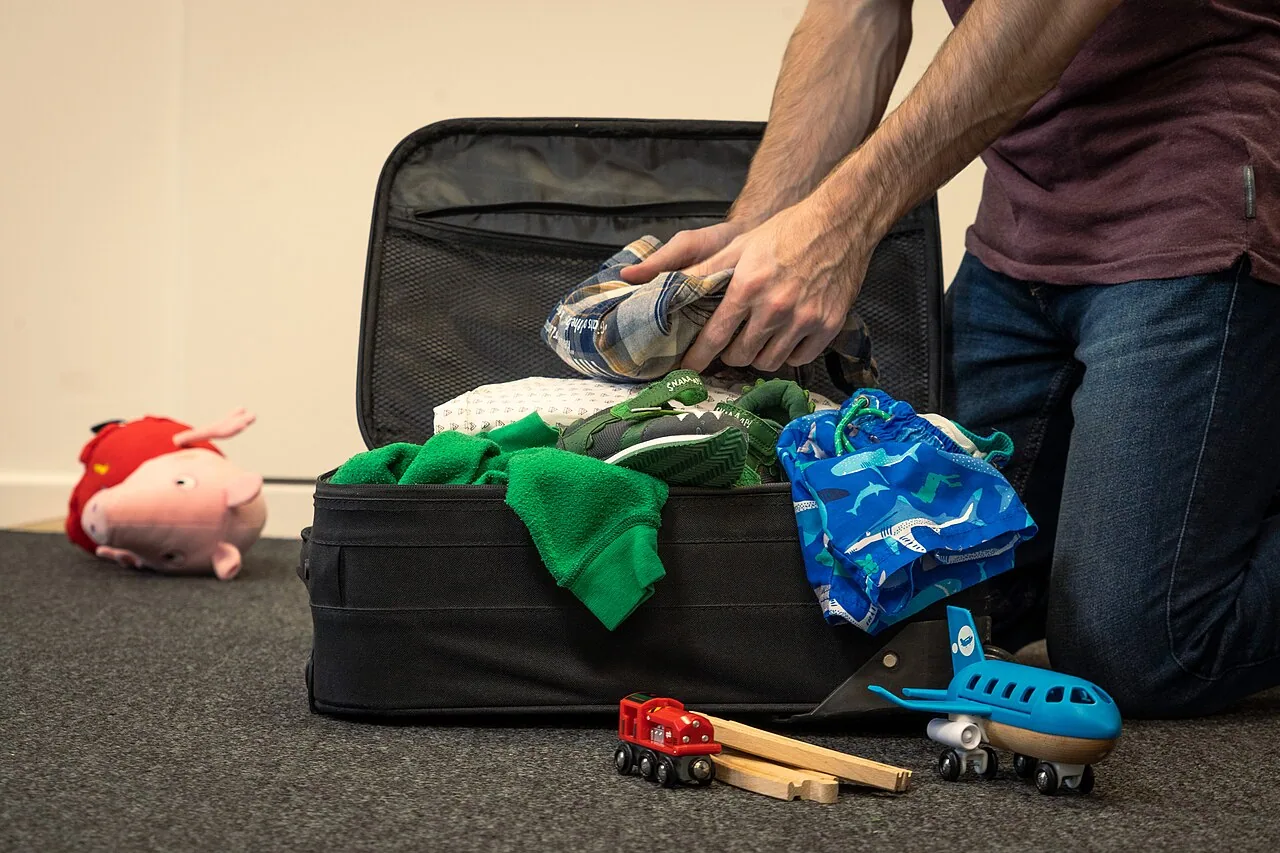
Pack fully once, then carry the bag in the way the journey requires. Walk around, lift it by the handle, and see whether you can easily reach tickets, medication, and an outer layer. A bag that closes only after forceful rearranging is unlikely to remain pleasant when you add a snack or repack in a hurry.
For each discretionary item, ask what would happen if it stayed home. If the answer is merely that you might prefer another color, it can probably go. If the answer concerns access, personal care, or the ability to complete the booked activity, keep it. This separates useful editing from competitive minimalism.
Leave a little space rather than filling every available pocket. Keep departure essentials in an accessible position, and take a photograph of your finished packing arrangement if that helps you repeat it. After the trip, note what remained unused and what you missed. Your own record will become a better guide than a stranger's ideal bag.
Frequently asked questions
Should I buy a smaller bag before planning the trip?
Plan first. A smaller bag helps only if it accommodates your real needs and the carrier’s allowance. Test what you already own before buying organizers or luggage that adds cost without solving a practical problem.
How many outfits should I take for a weekend?
Count the activities, expected conditions, and personal needs rather than following a fixed number. Build complete combinations around versatile pieces, and avoid adding a separate outfit for every activity you have not actually committed to.
Is it worth packing a spare item just in case?
Keep spares whose absence would cause a meaningful problem, such as necessary personal-care items. For optional clothing and equipment, compare the likely need with the effort of carrying it and the ease of changing your plan.
Sources & further reading
Source review: October 22, 2026. Opening arrangements, prices, access, and services can change; confirm current details with the responsible operator.
Editorial note
This guide is an editorial synthesis of referenced information and practical planning advice. It does not claim first-hand visits or live operator information. Hypothetical examples are identified in the text.
How we review content · Suggest a correction
Back to Weekend Escapes