The best London neighborhood for your trip is the one that matches what you want to do there. Choose South Bank for a riverside introduction, South Kensington for a museum-focused day, Covent Garden for a central mix of shops and performance, or Greenwich when you want maritime history and a different pace.
Do not try to turn all of London’s interesting areas into one continuous walk. Its neighborhoods work better as distinct outings with deliberate connections between them. This guide offers six starting choices, explains who each suits, and shows how to combine them without making transport the main experience.
Choose London neighborhoods by the day you want
Start by describing an enjoyable half-day in ordinary language. Perhaps you want a museum and somewhere pleasant to sit afterward. Perhaps you would rather browse small businesses, eat lunch, and wander without a timed ticket. That description is a better selection tool than a ranking of the most fashionable districts.
Next, choose one anchor: a booked exhibition, a market you have verified is operating, a performance, or simply a public route you want to walk. Add nearby possibilities rather than importing every recommendation from across the city. Keep the first visit compact enough that you can change your mind.
Visit London’s area directory is useful for comparing the broad options. Remember that neighborhood names are not rigid borders and online descriptions can overlap. Your practical unit is the route between actual places, not the number of districts you can say you visited.
Official references: Visit London — London Areas
South Bank and Bankside: a first-time riverside introduction
South Bank suits travelers who want the Thames to provide a clear sense of direction. The river, cultural venues, and familiar skyline views make it easier to connect individual experiences into a coherent outing. You can walk a selected stretch, stop at an arts venue, or use a performance as the reason to spend longer in the area.
Distinguish the named South Bank district from a longer walk east through Bankside. It is possible to continue along the river, but the extra distance is a choice, not a requirement. Choose an endpoint and identify a station near it rather than assuming you will comfortably retrace every step.
This is a strong option for mixed-interest groups because one person can value the views while another wants an exhibition or theater. It can also become crowded. If walking pace, seating, or step-free access matters, inspect the specific route and venue information instead of treating the whole riverside as one uniform environment.
Official references: Visit London — South Bank and Waterloo
Covent Garden: a compact central outing with an evening option
Covent Garden works well when you want shops, food, public activity, and access to the West End within a relatively concentrated plan. You can explore around the piazza and then use nearby streets to move away from the busiest gathering points. A neighborhood visit need not consist only of its most photographed space.
If you have a theater booking, make the area part of the same outing. Check the theater’s exact location and entry time before selecting dinner. Choosing a restaurant by reliable proximity can be more sensible than crossing central London for a recommendation that leaves no margin before the curtain.
Keep spending deliberate. A central retail district is easy to enjoy without turning every pause into another purchase. If the atmosphere is not what you want that day, shorten the visit and continue to a different interest. Its convenience is a benefit, but not proof that it should occupy your whole afternoon.
Official references: Visit London — Covent Garden
South Kensington: choose depth in the museum quarter
South Kensington is the clearest choice here for travelers whose main interest is museums. The Victoria and Albert Museum, Natural History Museum, and Science Museum give the area a strong cultural focus. Their proximity creates options, but it can also encourage an exhausting attempt to visit all three in one day.
Select one principal museum and decide which collections or exhibition matter most. Consult that museum’s official visitor page for booking requirements, admission arrangements, and the status of temporary exhibitions. General area descriptions should not be treated as a promise that every activity is free or available without a reservation.
After the main visit, choose a meal, a shorter second stop, or an outdoor break according to your remaining energy. Families should make the choice around the interests of the children actually traveling. A museum quarter is more rewarding when you allow time to look, ask questions, and pause rather than use entrances as a checklist.
Official references: Visit London — Kensington and South Kensington
Notting Hill: browse carefully and respect the residential streets
Notting Hill is a reasonable choice for people drawn to markets, independent browsing, and an area where commercial streets sit alongside residential ones. Portobello Road is a useful research starting point, but check the market’s current operating pattern and the type of trading that interests you before choosing a day.
Allow the outing to have a simple purpose: browsing antiques, looking at shops, or having a meal in the area. That is more satisfying than wandering solely in search of a particular photograph. Market days can change the atmosphere considerably, so the best timing depends on whether you prefer more activity or a quieter street experience.
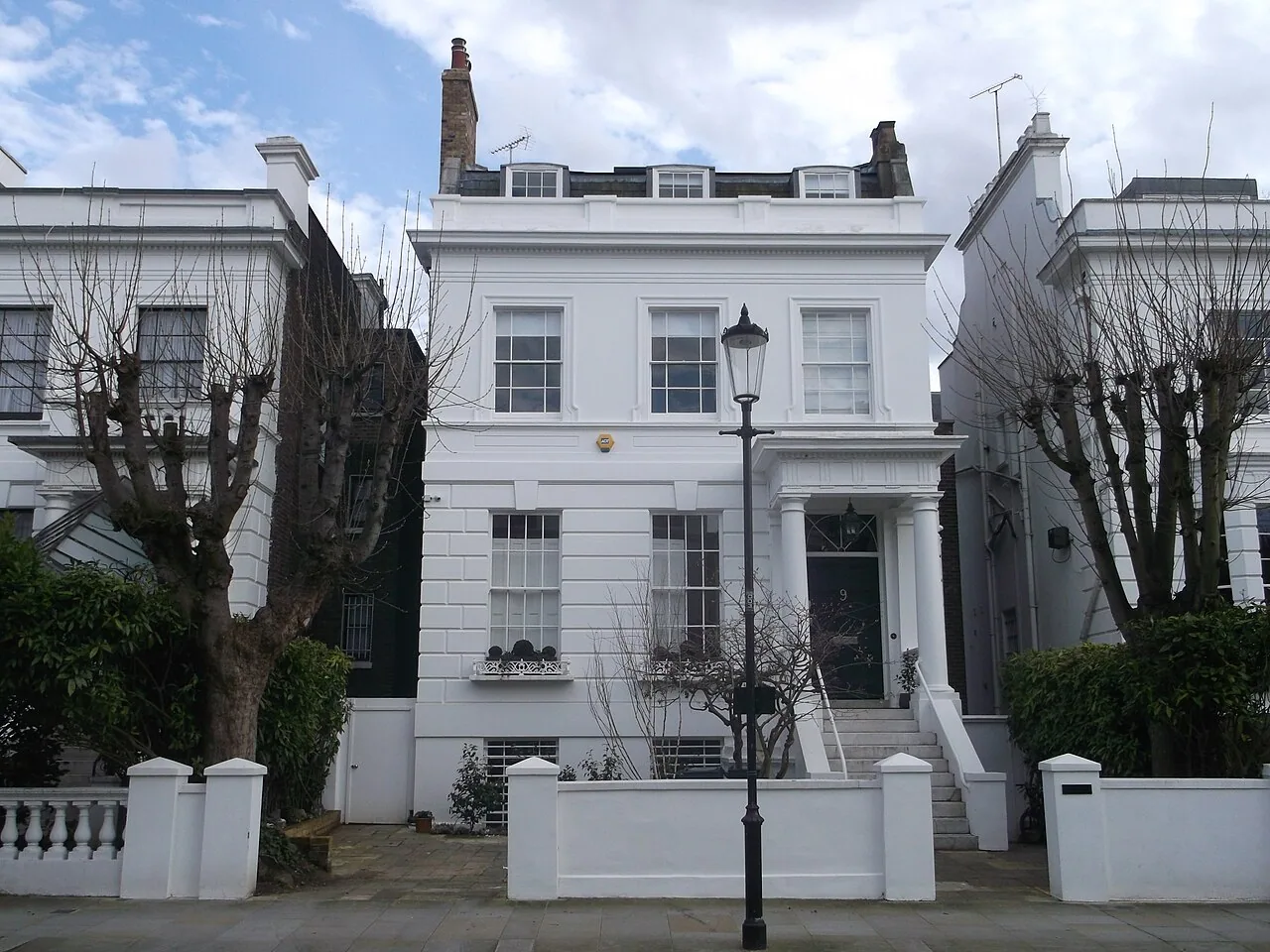
Treat houses as homes rather than visitor exhibits. Do not block entrances, climb steps for a photograph, or assume a recognizable address is a public attraction. A thoughtful neighborhood visit can still be curious and visually interesting without intruding on the people who live there.
Official references: Visit London — Notting Hill
Shoreditch and Hoxton: a different mix of shops, art, and evenings
Shoreditch and Hoxton offer an alternative to a trip concentrated entirely around central landmarks. They can suit visitors interested in creative businesses, food, street-level art, or an evening in a different part of the city. Pick a defined area and a reason to be there instead of assuming every street offers the same experience.
Street art is changing work in a working city, not a fixed museum display. If a particular piece matters, verify current information and accept that it may have changed or disappeared. Similarly, a photograph or old list of independent businesses is not evidence that a shop is still operating.
For an evening outing, choose the venue first and work backward to dinner and transport. If you simply want daytime browsing, keep it separate from expectations about nightlife. The area becomes easier to appreciate when you decide which version of the visit you want rather than expecting one brief walk to represent all of east London.
Official references: Visit London — Shoreditch and Hoxton
Greenwich: give maritime history and parkland their own outing
Greenwich deserves a more deliberate visit than a rushed addition to a central London checklist. Maritime attractions, the riverside, and Greenwich Park make it a strong choice for travelers who want a day with a different emphasis. Select the particular museum or historic site that interests you rather than assuming one ticket covers the whole area.
The Royal Observatory, National Maritime Museum, Cutty Sark, and Old Royal Naval College are distinct places with their own visitor arrangements. Check the relevant operator when deciding what to enter. You can also enjoy a simpler outing centered on public spaces and the relationship between the town, park, and river.
Think about hills and access when planning park views. A route that suits an energetic walker may need adapting for a stroller or mobility requirement. Transport to Greenwich can itself be part of the outing, but river services, rail, and other options are not interchangeable tickets or guaranteed departures. Confirm the actual journey you intend to use.
Official references: Visit London — Greenwich
Combine areas with a purpose, not a neighborhood count
Imagine a first-time visitor with three free days who loves art and walking. A useful plan might give one day to a South Bank outing, another to a South Kensington museum, and a third to Greenwich. Covent Garden could fit around a separately booked evening performance rather than becoming an extra destination to squeeze into every day.
Another traveler focused on food and browsing could choose Notting Hill on an appropriate market day, a distinct Shoreditch outing, and one central riverside walk. These hypothetical plans differ because the interests differ. Neither needs to visit all six areas to be a successful London trip.
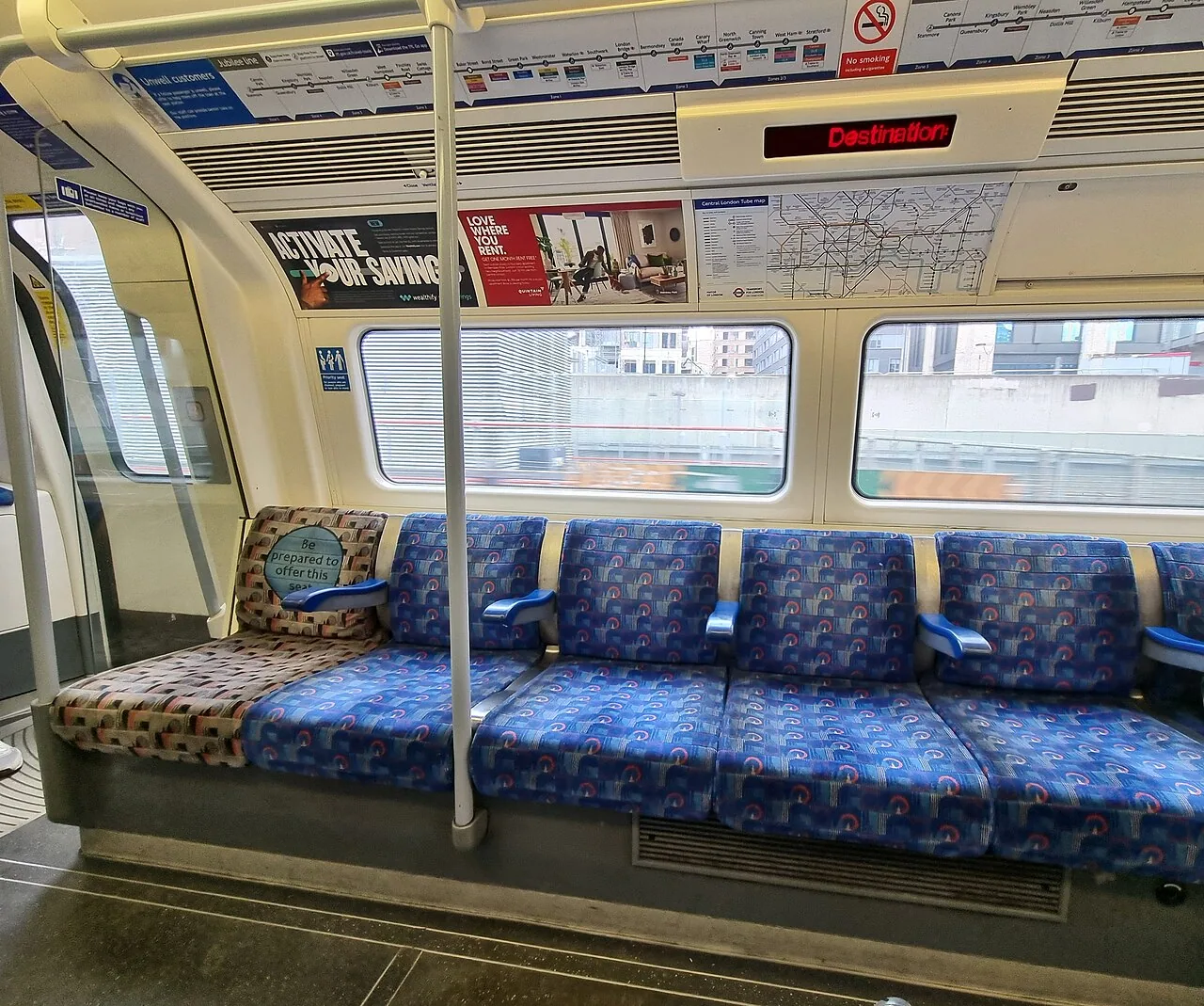
For each connection, use TfL’s planner with the actual addresses, intended travel time, and any access requirements. Compare fewer changes with less walking, not only the fastest estimate. Check service updates again on the day, particularly when your schedule depends on a booked entry or late return.
Official references: Transport for London — Journey Planner
Avoid the mistakes that flatten every neighborhood into the same visit
Do not judge an area only by the stop nearest the station. Give yourself a defined but flexible route. Equally, do not assume that an attractive street guarantees the restaurants, shops, or atmosphere you want.
Avoid collecting famous district names while spending most of the day underground. If the journey feels longer than the visit, remove a stop. Leave room to stay somewhere that interests you instead of being permanently committed to the next area.
Finally, distinguish exploration from access. A public street does not make every courtyard, doorway, or garden public. Read signs, use designated entrances, and allow residents and workers normal space. London’s variety becomes more apparent when you spend time observing a few areas carefully rather than trying to consume them all at once.
Frequently asked questions
Which neighborhood is best for a first visit to London?
South Bank is a useful starting option if you want a clear riverside route and familiar views. Covent Garden suits a central browsing or theater plan. The best choice still depends on your interests, accommodation, walking comfort, and the bookings you want to make.
How many neighborhoods should I plan in one day?
One substantial area, or two reasonably connected outings, is a more comfortable default than a long district checklist. A major museum can occupy much of the day by itself. Check actual journeys and leave space for meals, rest, and unexpected delays.
Can I explore these areas without a guide?
Yes, independent exploration is possible with a sensible route and current visitor information. A specialist guided visit can add context for a particular interest. Either way, verify entry arrangements, access needs, and transport rather than relying on an old neighborhood itinerary.
Sources & further reading
- Visit London — London Areas ↗
- Visit London — South Bank and Waterloo ↗
- Visit London — Covent Garden ↗
- Visit London — Kensington and South Kensington ↗
- Visit London — Notting Hill ↗
- Visit London — Shoreditch and Hoxton ↗
- Visit London — Greenwich ↗
- Transport for London — Journey Planner ↗
Source review: October 22, 2026. Opening arrangements, prices, access, and services can change; confirm current details with the responsible operator.
Editorial note
This guide is an editorial synthesis of referenced information and practical planning advice. It does not claim first-hand visits or live operator information. Hypothetical examples are identified in the text.
How we review content · Suggest a correction
Back to City Guides