Using public transportation in a new city becomes easier once you separate three questions: where to go, how to pay, and what to do at the stop or station. Trying to learn the entire network at once makes the task feel larger than it is. You only need to understand the journeys that support your trip.
Prepare one straightforward ride before attempting a complicated cross-city route. Learn the local operator's signs and payment instructions, keep your destination visible, and leave time to correct a mistake. These tips focus on that first-day learning process rather than assuming every city works like the system you use at home.
Identify the network and the operator you will actually use
A city can have several transport brands: a metro, municipal buses, suburban rail, regional trains, and private airport services. They may share a map without sharing every fare product. Begin with the official transport website for your accommodation area and open its visitor or how-to section. CTA's guidance, for example, separates route planning, fare payment, bus riding, and train riding into distinct tasks.
Save an official route map and the service-alert page. A map helps you understand the network's shape, while a journey planner handles a particular date and time. Neither replaces the other. Check whether your planned route crosses into another operator's territory, and avoid assuming a familiar app's ticket logo means your existing city ticket is accepted there.
Official references: CTA: how-to guides for riding transit
Read the direction as carefully as the line name
A line color or route number is only part of the instruction. Trains and buses also need to be traveling in the correct direction. Identify the final destination shown on the vehicle or platform display, then check that your stop appears along that branch. Some services share a trunk route before dividing, so the first familiar line symbol you see may not be enough.
At an interchange, follow signs for the line and direction together. Pause before passing through a gate or boarding, particularly when the station has several platforms. For buses, confirm the correct side of the street and whether the stop serves the route you need. A short check while stationary is easier than trying to interpret the map while the vehicle is pulling away.
Learn one local payment method properly
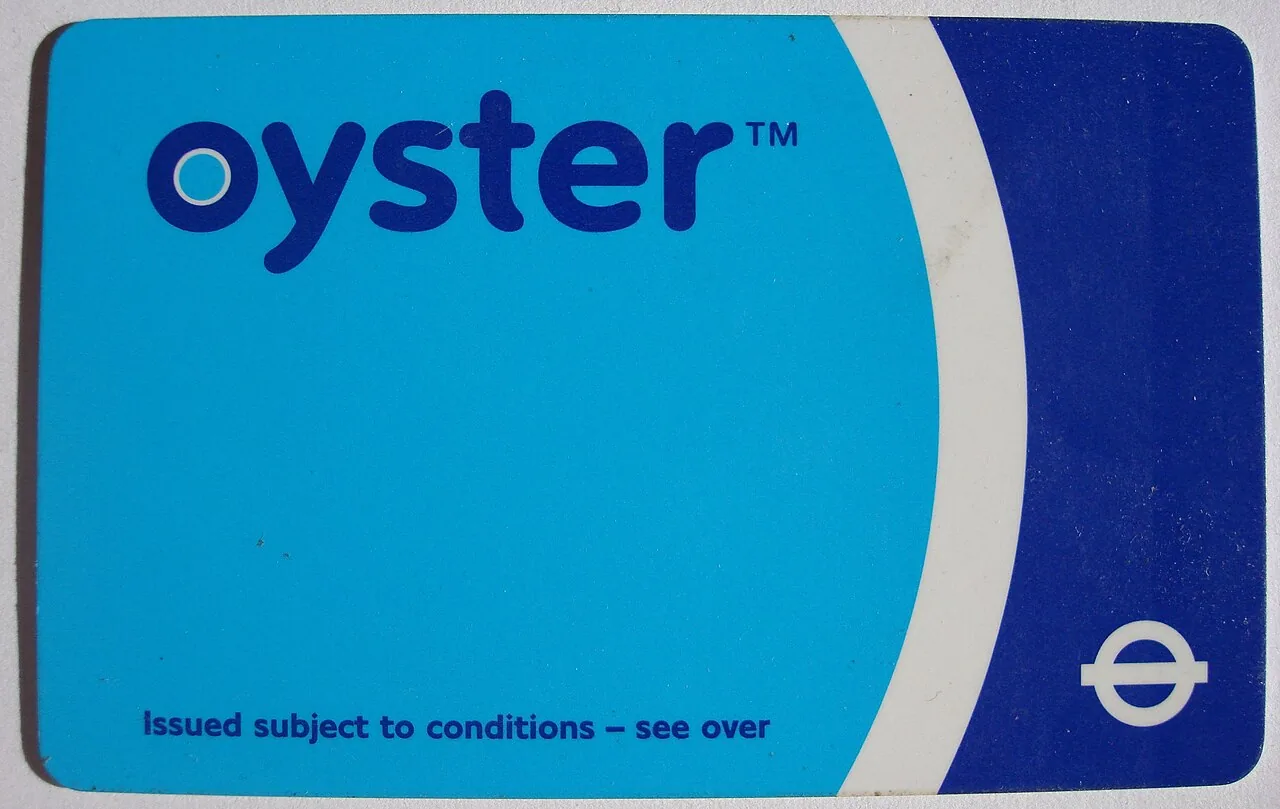
Find out whether the network accepts bank-card contactless payment, a dedicated travel card, paper tickets, mobile tickets, or several options with different conditions. Choose a method that works for your group, not just one that looks familiar. Check whether you must purchase a ticket, activate it, validate it, or do more than one of those steps.
TfL explicitly tells passengers to use the same card or device to touch in and out. A phone, watch, and physical card should not be casually interchanged during a London journey. In San Diego, MTS tells PRONTO passengers to tap or scan before every ride, including Trolley journeys. These are examples of local rules, not a universal instruction to tap out everywhere. Read the instructions for the network you are using.
Official references: TfL: how to pay the right fare · MTS: PRONTO validation and fare capping
Plan from the actual address to the actual entrance
Enter your starting address and destination rather than only the nearest large stations. The planner may reveal a useful bus, a better station exit, or a connection that avoids unnecessary walking. Set the actual day and approximate time: a route that is simple on a weekday afternoon can change during weekend works or late at night.
For accessibility, adjust the planner's settings and check the details of each interchange. TfL's accessible planner lets users specify options such as fewer changes, less walking, or different step-free requirements. The important habit is to describe your real needs. A route that is technically short but depends on stairs, a long passage, or a broken lift may not be usable for your party.
Official references: TfL: plan an accessible journey
Understand what a transfer changes
A transfer can mean staying inside a paid station area, leaving and re-entering elsewhere, or changing to an operator with a separate ticket. Check the fare rule instead of treating all these movements as identical. A time-based ticket may cover some connections but expire before a later return journey. An unlimited pass can still exclude particular vehicles or services.
MTS distinguishes its PRONTO arrangements from cash single fares, including how its transfer and best-fare benefits apply. That illustrates why payment choice can affect more than the first boarding. Before your first trip, know what evidence of payment you need to keep, when another validation is required, and whether each person needs a separate pass or ticket. Keep any physical ticket until the journey is complete.
Official references: MTS: fare chart and payment conditions
Make your first ride an easy one
Choose a simple daytime journey with a direct connection if your itinerary allows it. Before boarding, identify the start, direction, destination stop, and one recognizable stop before yours. Keep the route accessible on your phone or in a small note. Follow local instructions about requesting a bus stop; not every system stops automatically at every marked location.
Consider a hypothetical first afternoon: your hotel and a museum are on the same line. Ride there without an interchange, learn the reader and platform signs, and save the return direction. After that first trip, a later connection to a neighborhood market becomes a smaller learning step. The point is not to avoid complicated routes forever; it is to learn the system while the consequences of a mistake are small.
Keep boarding and the ride comfortable for everyone
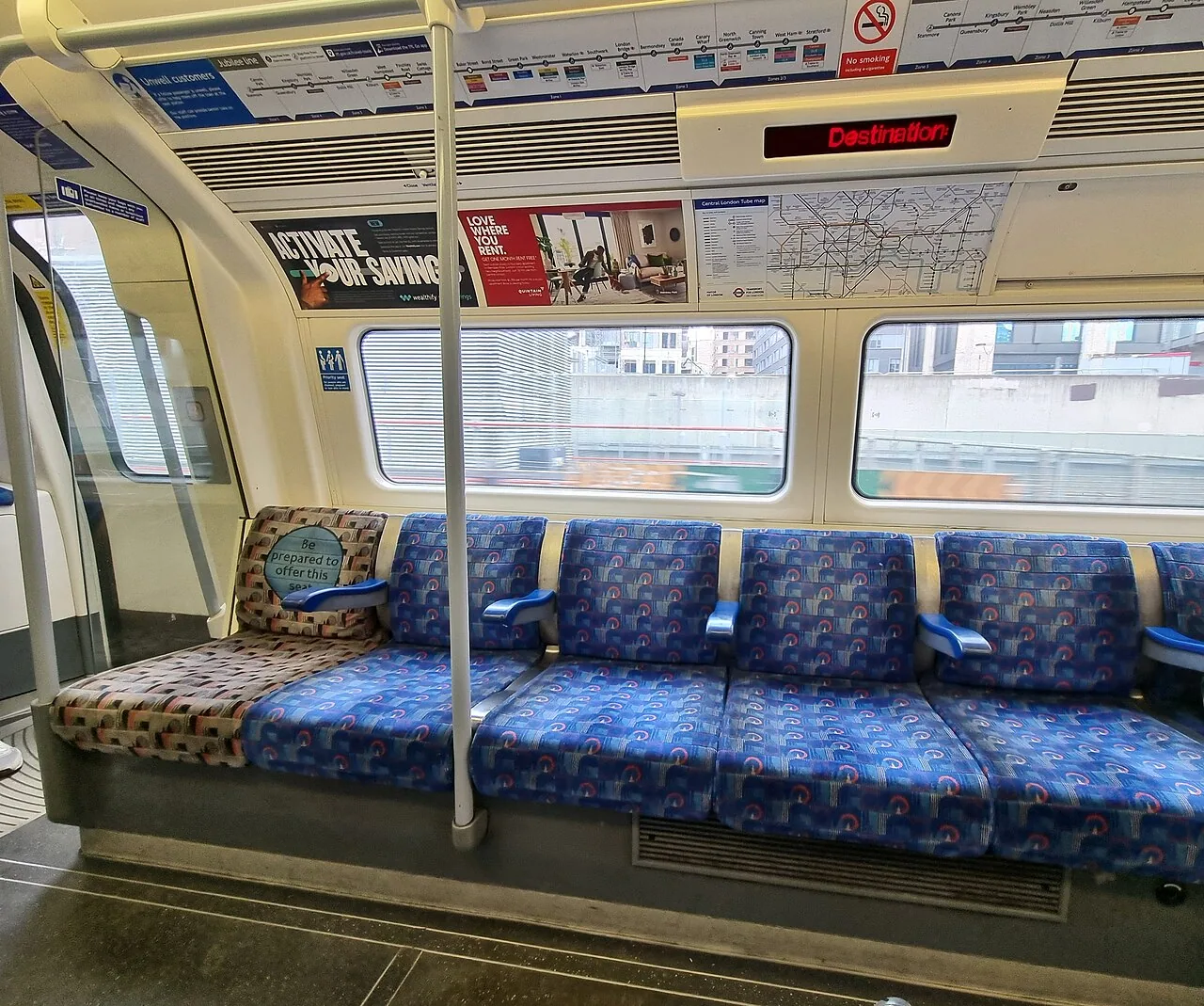
Let people leave before boarding, keep doors and aisles clear, and follow posted priority-seat rules. Move bags where they will not block another passenger's movement. If you need more boarding time or assistance, use the operator's established assistance process rather than relying on another traveler to improvise an arrangement.
Keep your fare method ready before reaching a busy gate, and step aside if you need to search a bag or study a map. On board, track progress using stop displays and announcements where available. Wear headphones at a level that still lets you notice relevant information. These small habits reduce the amount of attention the journey requires and make it easier to see when your stop is approaching.
Recover calmly from a wrong turn or payment problem
If you board in the wrong direction, do not assume the fastest recovery involves leaving through the nearest exit. Get off at a suitable stop, inspect the signs, and check whether you can change direction within the station. If you are uncertain about ticket validity, ask authorized staff before continuing. A failed reader response means you need to resolve payment; it is not evidence that travel is free.
For fare issues, keep the relevant ticket or journey record and use the operator's official support channel. Avoid repeatedly switching payment devices in the hope that the system will reconstruct your intention. If service is disrupted, consult the live alert page before accepting a suggested alternative. A generic route planner may not immediately reflect a changed platform, temporary stop, or access problem.
Know which information answers which question
Use a network map for orientation, a timetable for the planned service, and live information for what is happening now. A tracker can show a vehicle approaching without explaining a temporary change at your destination. An old saved map can show the overall network clearly while missing an altered stop. Match the source to the decision you are making.
Before an important journey, reopen the operator's alert page and inspect the relevant route rather than relying on a screenshot from your planning session. If information conflicts, look for a dated notice or ask authorized staff. Save a concise fallback route, but do not spend the first day collecting every possible alternative. One well-understood journey plus one reasonable recovery option is more useful than a folder full of unexamined route suggestions.
Finish the day with a reliable route home
Before heading out for the evening, check the latest practical return connection and whether your chosen stop is still served. Do not equate a system with some overnight routes to a guarantee that every line operates overnight. Save a reasonable alternative if the event runs late, and keep enough battery or a usable physical fare method for the return.
After the first day, note what worked: a station exit close to your hotel, a bus that saves a steep walk, or a payment method that avoids a ticket-machine queue. You can simplify later days around those discoveries. Confidence comes from understanding a few repeatable journeys, not from memorizing the whole network or trying to copy local commuters' speed.
Frequently asked questions
Do I need a transport app before visiting a city?
Not always. An official mobile-friendly website, downloaded map, and saved route may be sufficient. Install an app when it provides a function you need, such as the chosen ticket or accessible routing. Confirm that you can still display any mobile ticket without a reliable connection.
Should every traveler have a separate ticket?
Check the operator's rules. Some payment systems allow more than one rider to be paid for in particular ways, while a pass may cover only its holder. Age-based fares and group products also vary. Never assume that one unlimited pass covers everyone in a party.
How much time should I allow for an unfamiliar route?
Allow room for reading signs, finding the correct entrance, buying or validating a ticket, and recovering from one missed connection. The useful buffer depends on the service frequency and the importance of your appointment. Use a simpler route when a missed arrival would have significant consequences.
Sources & further reading
- CTA: how-to guides for riding transit ↗
- TfL: how to pay the right fare ↗
- MTS: PRONTO validation and fare capping ↗
- TfL: plan an accessible journey ↗
- MTS: fare chart and payment conditions ↗
Source review: October 22, 2026. Opening arrangements, prices, access, and services can change; confirm current details with the responsible operator.
Editorial note
This guide is an editorial synthesis of referenced information and practical planning advice. It does not claim first-hand visits or live operator information. Hypothetical examples are identified in the text.
How we review content · Suggest a correction
Back to Getting Around