A memorable Seattle city break needs a little contrast: a public market, a waterfront walk, a cultural or skyline experience, and time in a neighborhood beyond the first cluster of sights. Start with Pike Place Market and the waterfront as one connected outing, then give Seattle Center or a neighborhood its own space.
The city is more enjoyable when you account for hills, changing weather, and the difference between a nearby landmark and an easy walk. This guide helps you choose a manageable set of things to do in Seattle, rather than promising that every famous attraction belongs in one day.
Explore Pike Place Market as a working public market
Pike Place Market is a strong starting point because it combines independent businesses, food, and a public setting close to downtown’s waterfront side. Approach it as a place to browse and choose, rather than a corridor to race through in search of a single photograph.
Consult the market’s own visit information before setting out, particularly if you want a specific business or activity. Individual businesses can have their own operating patterns. A general market listing does not guarantee that every stall is trading when you arrive.
Allow time to look beyond the first busy stretch and decide what you actually want to eat or buy. If you are browsing food businesses, stay aware of queues and people using the space for everyday shopping. For groups, choose a meeting point before spreading out. It is easier to enjoy a busy market when you have a simple plan and do not need everyone to make every small decision together.
Official references: Pike Place Market — Plan Your Visit
Connect the market with the waterfront through Overlook Walk
Seattle’s waterfront is not only a backdrop for downtown photographs. It provides public space, changing views across the water, and a way to understand the city’s relationship with its shoreline. Overlook Walk connects the market side of downtown with the waterfront through an elevated public park setting.
That connection makes a market-and-waterfront outing more coherent, but still choose the route that suits your mobility and energy. Steps, slopes, and different access points can change the practical experience. Check the park’s current visitor information rather than assuming that the most obvious staircase is the only way through.
Once at the water, pick a direction and a comfortable endpoint. You might pause at a public space, choose an attraction, or simply watch the activity along the shoreline. Give yourself permission to stop. A waterfront walk becomes less enjoyable when its only measure of success is reaching every pier regardless of weather or fatigue.
Official references: Friends of Waterfront Park — Overlook Walk · Friends of Waterfront Park — The Park
Give Seattle Center one clear purpose
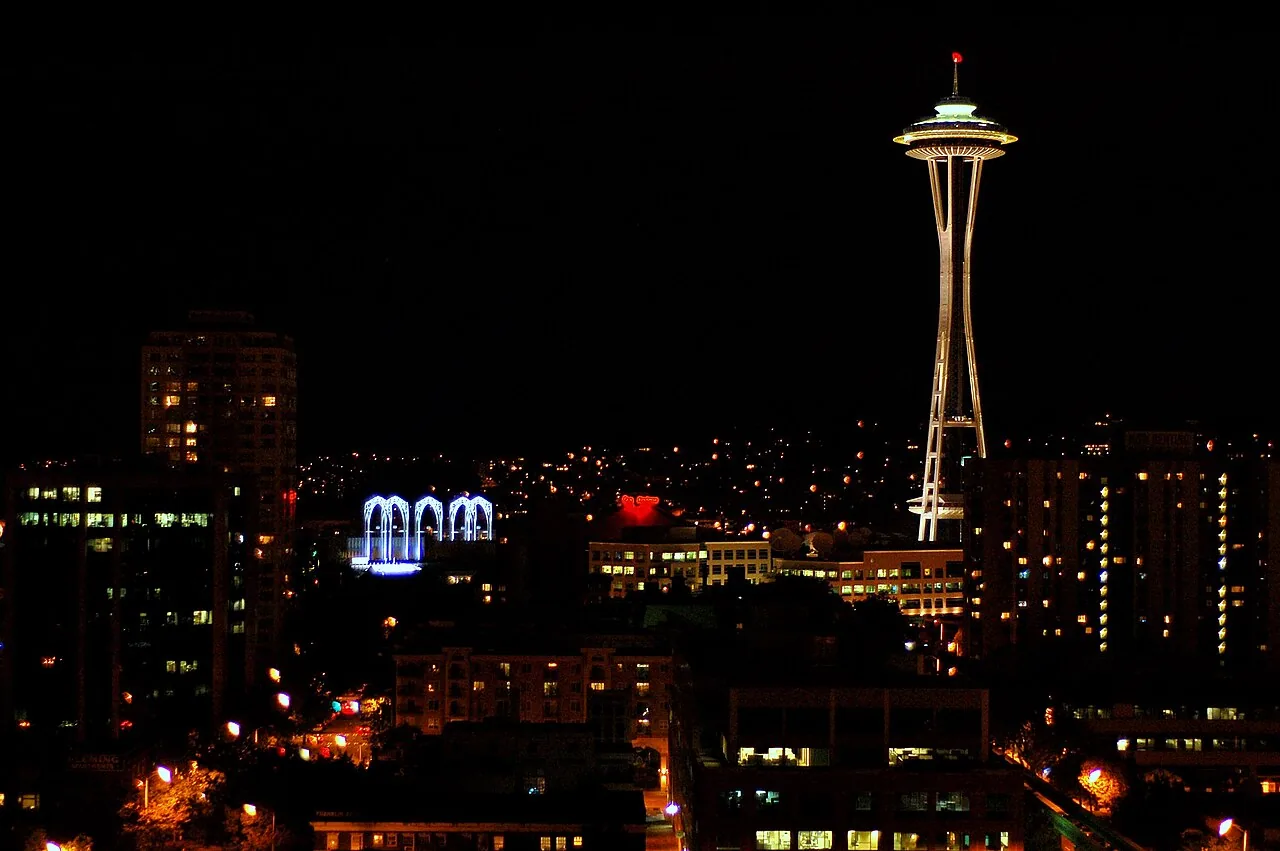
Seattle Center brings several well-known attractions into one district. The Space Needle, Museum of Pop Culture, and other cultural venues offer very different experiences, so choose the one that fits your interests rather than assuming proximity means you should buy entry to all of them.
If skyline views are the priority, look at current visibility, admission arrangements, and the flexibility of the ticket you are considering. If music, design, or another cultural interest matters more, make that the anchor instead. A day shaped around your curiosity is more memorable than one shaped around the largest available attraction bundle.
The Seattle Center Monorail connects Seattle Center with Westlake Center. It is a specific two-station service, not the city’s airport rail line. Check the operator’s current visitor information and distinguish any connecting journey you need. A short, clearly understood connection can help this outing fit comfortably with a downtown base.
Official references: Visit Seattle — Top Attractions · Seattle Center Monorail — FAQ
Choose one neighborhood to make the trip your own
After the central sights, choose one neighborhood because something there interests you. Pioneer Square may suit someone drawn to historic urban character; Capitol Hill can support a food, shopping, or evening plan; Ballard offers another distinct outing. These are alternatives for a short visit, not a route to complete before dinner.
Research one or two anchors in the area, such as an institution, a business, or a clearly chosen street. Then leave some room to walk, browse, and sit down. A neighborhood visit should not be reduced to transferring between recommendations that happen to share a district name.
Check the journey from your accommodation and the return connection before committing to a late plan. If a district takes more effort to reach than you want to spend, choose a closer alternative. You can enjoy a city’s variety without treating every interesting area as compulsory on a first break.
Official references: Visit Seattle — Neighborhoods
Choose one view that adds something to the experience
Seattle offers several ways to look across the city or water. Rather than collecting viewpoints, decide which perspective you want: an elevated skyline view, a park setting, or the waterfront at ground level. That choice helps distinguish a meaningful outing from several versions of the same photograph.
A viewpoint that requires a dedicated journey should earn its place in the plan. Consider weather, the rest of the day, and whether the location offers something you will enjoy even if visibility is disappointing. A pleasant public space can provide value beyond the view itself.
If photography is a major interest, build time around it deliberately and keep the rest of that period lighter. Do not stand in a walking route or treat a residential setting as a private photo set. The best image is not a reason to obstruct the people who live and work around you.
Official references: Visit Seattle — Top Attractions
Use a meal or coffee stop to slow the day down
Seattle’s coffee and food identity can be explored without organizing the entire trip around famous queues. Choose a place that interests you and fits the area you are already visiting. Read the menu, consider what you want to spend, and keep a nearby alternative so one busy stop does not derail the afternoon.
For a coffee stop, the value may be as simple as a comfortable pause and a chance to review the next part of the day. You do not need to order the most elaborate drink or visit every name on a list for the experience to count.
For dinner, decide whether the meal or another evening activity is the priority. If the meal matters most, give it room. If you are attending a performance or meeting a booked departure, make the food plan predictable. A city break feels more relaxed when there is one principal decision per period instead of several competing reservations.
Treat a ferry outing as a deliberate addition
A journey on the water can offer a different perspective, but it should be planned as transport with real terminals and return requirements, not an attraction that runs whenever you are ready. Decide whether the destination is part of the appeal or whether you simply want a waterfront experience within the city.
For a ferry trip, consult Washington State Ferries for the exact route, sailing information, alerts, and the conditions that apply to your method of travel. Do not assume that advice for a vehicle reservation applies to a walk-on passenger, or that a saved timetable represents the day’s operation.
On a short first visit, a separate ferry outing may replace a neighborhood or major attraction rather than join all of them. This is a useful tradeoff. Time spent making one enjoyable journey can be the highlight of the break, but only when the rest of the itinerary leaves room to enjoy it.
Official references: Washington State Ferries — Sailing Schedules
A two-day example with room to adapt
Imagine two travelers who have never visited Seattle and prefer walking, food, and one cultural attraction. Their first day begins at Pike Place Market, continues through Overlook Walk to the waterfront, and finishes with a nearby meal. They do not add another major admission simply because there is time before dinner.
Their second day centers on Seattle Center and one selected attraction. They connect it with a coffee stop and, if energy allows, an outing to one neighborhood. If they decide a ferry journey matters more, it replaces that second-day structure rather than being squeezed into the margins. This is an illustrative plan, not a promise about journey durations or availability.
They keep an indoor alternative for an outdoor period and check current conditions before making the final choice. The plan works because it has two clear centers of gravity. It can survive a change without collapsing into a series of missed bookings.
Avoid three planning mistakes on a first Seattle break
First, do not read a flat map as a guarantee of easy walking. Inspect routes and account for hills, the entrance you need, and the energy required for the return. Choose footwear for walking rather than only for the forecast.
Second, distinguish transport systems. A monorail ride, a local rail journey, a bus trip, and a ferry each involve specific operators and conditions. Confirm what your ticket or payment method covers instead of assuming all services share one rule.
Third, leave your final hours light. A market meal or nearby walk is easier to adapt around collecting luggage than a distant attraction with a timed entry. A memorable city break is not the one with the largest list; it is the one where the chosen experiences had enough time to become enjoyable.
Official references: Seattle Center Monorail — FAQ · Washington State Ferries — Sailing Schedules
Frequently asked questions
What should I do first in Seattle?
Pike Place Market and a waterfront outing provide a useful first combination because they connect a working public market with the city’s shoreline setting. Check current market and park information, choose a comfortable route, and resist adding too many paid stops to the same period.
Is the Seattle Center Monorail the airport train?
No. The operator identifies it as a service between Westlake Center and Seattle Center. It can connect with other transport, but it does not run to the airport. Check the relevant rail operator separately for your arrival journey.
Should I add a ferry trip to a two-day visit?
Add one if the journey and destination genuinely appeal, but give it a substantial place in the plan. Check the specific route and return options with Washington State Ferries. On a short trip it may be better to replace another outing than to attempt everything.
Sources & further reading
- Pike Place Market — Plan Your Visit ↗
- Friends of Waterfront Park — Overlook Walk ↗
- Friends of Waterfront Park — The Park ↗
- Visit Seattle — Top Attractions ↗
- Seattle Center Monorail — FAQ ↗
- Visit Seattle — Neighborhoods ↗
- Washington State Ferries — Sailing Schedules ↗
Source review: October 22, 2026. Opening arrangements, prices, access, and services can change; confirm current details with the responsible operator.
Editorial note
This guide is an editorial synthesis of referenced information and practical planning advice. It does not claim first-hand visits or live operator information. Hypothetical examples are identified in the text.
How we review content · Suggest a correction
Back to City Guides