The most useful way to discover local food is to connect what you eat with the neighborhood around it. Choose a small area, learn a little context, and visit a few places with different roles: perhaps a bakery, a market stall, and a sit-down meal. You will understand more than you would by chasing unrelated best-of recommendations across the city.
Food culture includes migration, work, family businesses, ingredients, and changing tastes. A dish does not need to be old, expensive, or unfamiliar to be meaningful. Nor should a visitor expect one restaurant to represent an entire community. The aim is a thoughtful afternoon of eating and learning, with enough appetite and time to enjoy the things you choose.
Choose a food question that fits one neighborhood
Start with a question rather than a ranking. You could explore how a neighborhood uses bread, how regional produce appears in everyday cooking, or how different generations of businesses interpret a familiar dish. A focused question helps you compare places without turning every meal into a search for a single winner.
Keep the area compact. Several small food stops become tiring if each one requires a journey across town. Mark possible places on a map and group them around a street, market, or transit stop. Choose one essential stop and two alternatives. That is enough structure to handle a closed business or an unexpectedly long queue without derailing the visit.
Make sure the question suits your appetite and interests. A pastry-focused morning may be more enjoyable than a full tasting itinerary if you have a substantial dinner planned. If someone in your group dislikes standing while eating, prioritize seated places rather than arguing that a street-food format is more authentic. The best route is the one your party can enjoy comfortably.
Learn some context before choosing where to eat
Use an official neighborhood guide, a museum, or a community institution to understand the area at a broad level. Then read the individual businesses’ own information. Menus, producer notes, and the story of a bakery can help you decide what to try. Distinguish a business’s description of itself from an independent historical claim, and avoid repeating promotional language as established fact.
Pilsen in Chicago offers a practical example of combining food with a wider cultural visit. Choose Chicago identifies Mexican cultural connections, public art, cafés, bakeries, and restaurants in the neighborhood. Rather than treating those businesses as a food-only checklist, pair a meal with an appropriate public cultural stop. The neighborhood’s art and institutions provide context that a plate alone cannot explain.
London’s official visitor information presents Brick Lane as a place to explore food, markets, and shopping. Use that as a starting point, then check the specific market or business you want. A district name is not a guarantee that every food venue has the same history, opening pattern, or quality. Leave room for contemporary businesses as well as long-established ones.
Official references: Choose Chicago: Pilsen Neighborhood Guide · Visit London: Brick Lane Market Guide
Choose stops with different roles, not five versions of the same meal
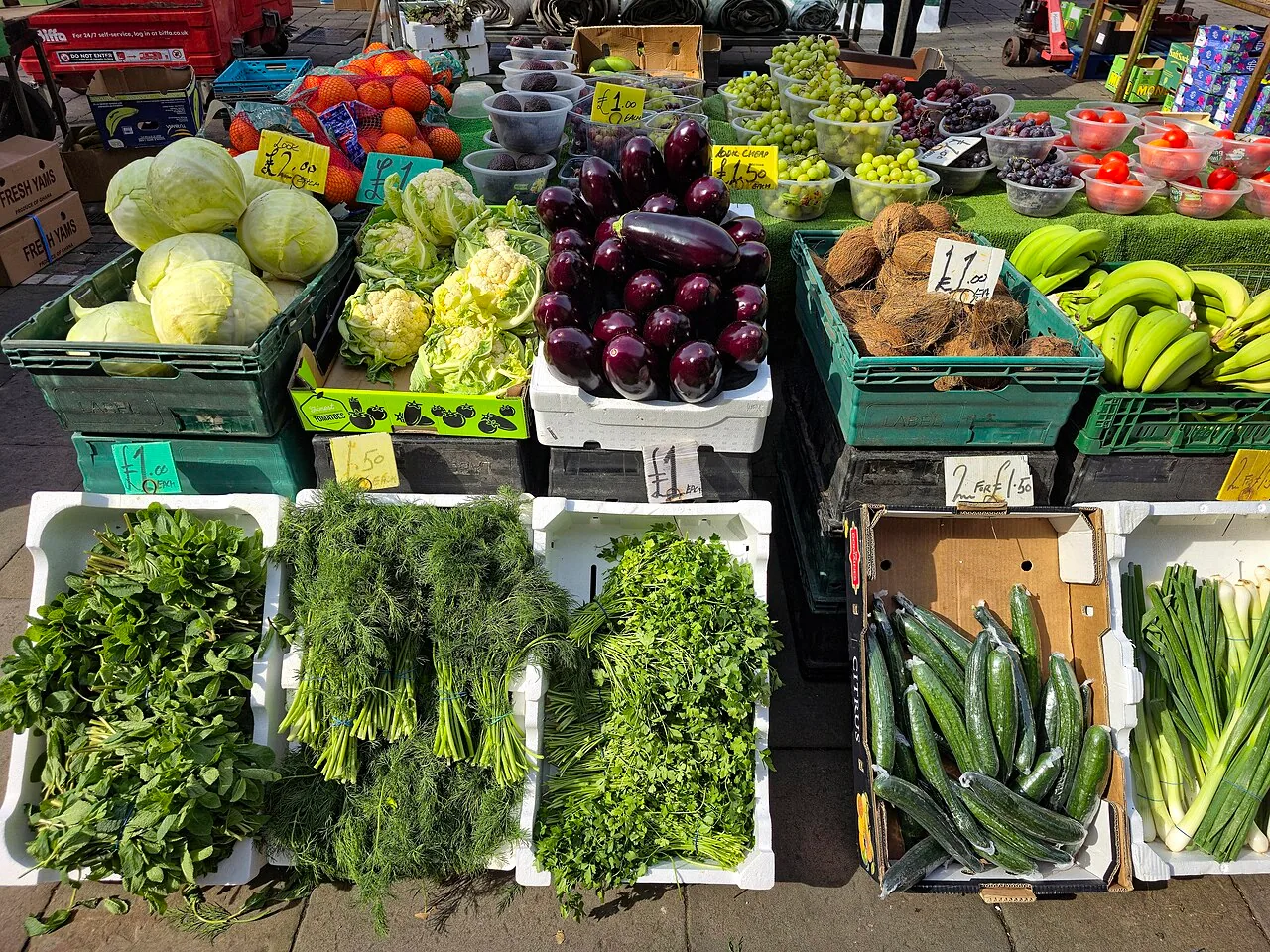
A bakery can show you what people buy for an ordinary morning; a grocer can introduce ingredients; a market can connect products with producers; a restaurant can show how a full meal is assembled. Combining a few different roles creates variety in both the food and the information you encounter. You do not need to sample every version of one famous dish.
At a farmers market, distinguish farm products from prepared foods and retail goods. Foodwise explains that it operates the outdoor Ferry Plaza Farmers Market separately from the Ferry Building’s indoor shops. That distinction helps visitors choose between ingredient-focused browsing and a broader marketplace visit. Check the relevant calendar before assuming the experience you want will be available.
Plan portions with care. Share where the business permits it, order in stages when practical, and avoid wasting food simply to collect more stops. If a place is the centerpiece of your day, give it enough appetite and time. A long tasting route can make a good meal feel like an obstacle between photographs.
Official references: Foodwise: Ferry Plaza Farmers Market Visitor Information
Ask questions that lead to useful conversation
Specific questions are easier to answer than broad requests for the best food. Ask how a bread is normally served, which product is seasonal, or whether a dish is intended to be shared. If the menu contains an unfamiliar ingredient, ask what it contributes rather than pretending to understand it. A short, sincere exchange is usually more useful than performing expertise.
Choose the moment. A busy service queue is not the place for an extended discussion about family history or neighborhood change. Let staff complete transactions, keep questions concise, and accept that someone may not have time to talk. Buying food does not purchase a personal cultural presentation.
Be clear about dietary requirements. Ask about the actual dish and preparation process, not whether an entire cuisine is suitable. Explain what you need without treating uncertainty as reassurance. If the business cannot give the information necessary for your decision, choose another option. A thoughtful food route always has alternatives rather than depending on one supposedly essential stop.
Let the neighborhood be more complicated than a food label
Food districts are living places. New arrivals, rising costs, changing tastes, and different generations of owners can all affect what is served. A business offering a modern interpretation is not automatically less meaningful than one emphasizing tradition. Read the claims each place makes and judge the experience on its own terms rather than insisting that every meal conform to an imagined past.
Avoid using authenticity as a shortcut for cheapness or unfamiliarity. A carefully prepared meal may cost more than a traveler expects, while a familiar-looking café may have deep local connections. No single visual cue establishes who owns a business, where ingredients come from, or how residents regard it. Context is something to learn, not something to infer from décor.
Use the walk between stops to pay attention to the wider area: shops that are not food businesses, public notices, cultural venues, and the practical rhythm of the street. Keep residents’ privacy in mind. A food visit becomes richer when the neighborhood remains a place where people live and work, rather than a backdrop arranged for visitors.
Build a realistic tasting afternoon
Consider a hypothetical plan for two visitors interested in a neighborhood’s baking traditions. They choose one bakery for an early snack, a nearby cultural institution for context, and a restaurant for a later meal. A grocery visit is optional. They check opening information and keep one alternative bakery in reserve. This creates different experiences without requiring constant eating.
If the first stop has a queue, the visitors can reverse the cultural visit and the snack. If they are still full later, they order a smaller meal or save a packaged product for another time, where appropriate. They are not obliged to complete every stop just because it appeared on a map. Flexibility protects both appetite and attention.
For a market-focused version, choose an ingredient to notice, ask a producer one useful question, and select a meal that fits the day. Write down the product or business name afterward if you want to learn more. You do not need to photograph every purchase or interrupt the meal to produce a public review.
- Choose a compact area and a question that connects the places you want to try.
- Make one meal essential and keep smaller snacks or grocery visits optional.
- Check menus, opening information, booking requirements, and dietary suitability with the individual businesses.
- Leave enough time to enjoy a conversation or a meal without rushing to the next stop.
Avoid the habits that turn food discovery into a chore
The most common mistake is following a list without checking whether its recommendations still match your visit. Menus, ownership, schedules, and booking arrangements change. Verify the places that matter to you, especially when a particular dish is the reason for going. Do not use a years-old photograph as proof that an item is available now.
Another mistake is confusing a queue with a requirement. A popular venue may be excellent, but spending most of your neighborhood time waiting is a choice, not a duty. Decide beforehand how much of the day you want to give to one stop. An alternative with a different strength can still serve your original question.
Finally, leave with a few specific memories: an ingredient you had not considered, a technique someone explained, or a connection between a meal and a cultural institution. Those details make a better result than a claim that you ate like a local. You were a visitor who paid attention, and that is a worthwhile way to explore.
Frequently asked questions
Should I book a food tour or explore independently?
Choose a tour when its actual route, group size, dietary arrangements, and cultural approach suit you. Independent exploration works well with a compact area and a few verified stops. Neither format guarantees deeper understanding by itself.
How many food stops should I plan in one afternoon?
Start with one main meal and one or two smaller possibilities, then adjust for your appetite. Treat extra stops as optional. Variety in business type and context matters more than the number of dishes you can photograph.
How can I find a meaningful food experience without spending heavily?
Choose a focused bakery, market, or neighborhood meal and pair it with public cultural context. Check prices and portions directly, avoid unnecessary cross-city travel, and buy things you want to eat rather than ordering for appearances.
Sources & further reading
- Choose Chicago: Pilsen Neighborhood Guide ↗
- Visit London: Brick Lane Market Guide ↗
- Foodwise: Ferry Plaza Farmers Market Visitor Information ↗
Source review: October 22, 2026. Opening arrangements, prices, access, and services can change; confirm current details with the responsible operator.
Editorial note
This guide is an editorial synthesis of referenced information and practical planning advice. It does not claim first-hand visits or live operator information. Hypothetical examples are identified in the text.
How we review content · Suggest a correction
Back to Local Experiences