The best free city day starts with one activity you care about, then connects nearby places without expensive transfers. It does not require a list of twenty stops. A museum, a public building, a neighborhood walk, and somewhere comfortable to pause can create a richer day than racing between attractions chosen only because admission costs nothing.
Free admission also needs careful interpretation. A venue may require a reservation, charge for parking, restrict certain programs, or offer different terms to residents and visitors. The examples below focus on specific official options in Washington, Chicago, Los Angeles, and Boston. Use them as starting points, then check the linked visitor information for your actual date.
Decide what a free day should actually cost
Separate the admission price from the total cost of the outing. Transport, meals, luggage storage, and optional experiences can turn a nominally free attraction into an expensive day. Before choosing a distant venue, compare the entire journey with a closer option. A free museum across the city may be less useful to your budget than a nearby public garden reached on foot.
Choose a spending boundary for food and transport, then decide what you can bring. A refillable bottle and a simple snack may reduce impulse purchases, provided the venue permits them. Check bag and food policies rather than assuming that every museum allows a packed lunch inside. Identify where you can sit between activities without needing to buy another drink.
Think in terms of a free anchor and low-cost connections. The anchor might be a collection you want to see, a piece of architecture, or a historical route. Add one nearby outdoor stop and keep another indoor possibility in reserve. This creates a day with a purpose while leaving room for weather, queues, and changing energy.
- Name one activity you genuinely want to do, rather than collecting free places indiscriminately.
- Confirm admission conditions and whether a timed-entry reservation is required for your date.
- Include the cost of getting there, eating, and returning when comparing possible outings.
- Choose a nearby pause and an alternative that still works if your main plan changes.
Washington, D.C.: choose a Smithsonian museum, not the whole complex
The Smithsonian’s official visitor directory identifies which museums have free admission and which need passes. Its broad free-admission policy has an important exception at Cooper Hewitt in New York, and some Washington locations require free timed entry. Do not turn the phrase Smithsonian is free into a promise that every building can be entered spontaneously.
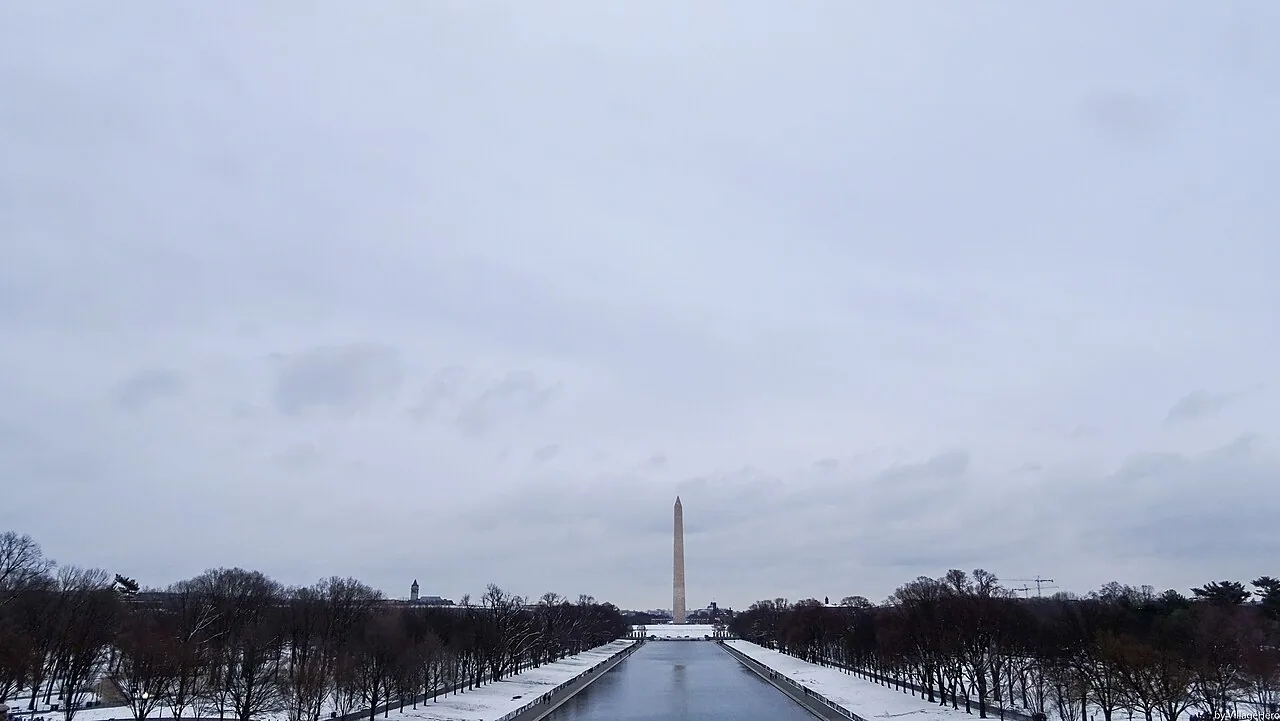
For a Washington visit, choose one collection that matches your interests and use the individual museum page to prepare. A traveler interested in objects from everyday American life will make different choices from someone focused on natural history or aircraft. Check the relevant entrance, pass arrangements, and current opening information. Reserve first when required, then build the rest of the day around that commitment.
Inside, decide on a handful of galleries rather than treating the building as a completion challenge. Leave time to read labels and stop when concentration fades. If you are traveling with others, agree on a meeting point and a short period for different interests. The advantage of a free museum is that you can appreciate a focused visit without feeling that you must recover a large ticket price.
Official references: Smithsonian: Museums and Zoo Visitor Information
Chicago: combine the Cultural Center with a downtown walk
The City of Chicago lists free admission at the Chicago Cultural Center. The building offers architecture, exhibitions, and a program of cultural events, but those are different experiences with their own schedules. Check what is available during your visit rather than assuming a specific performance will happen whenever you arrive.
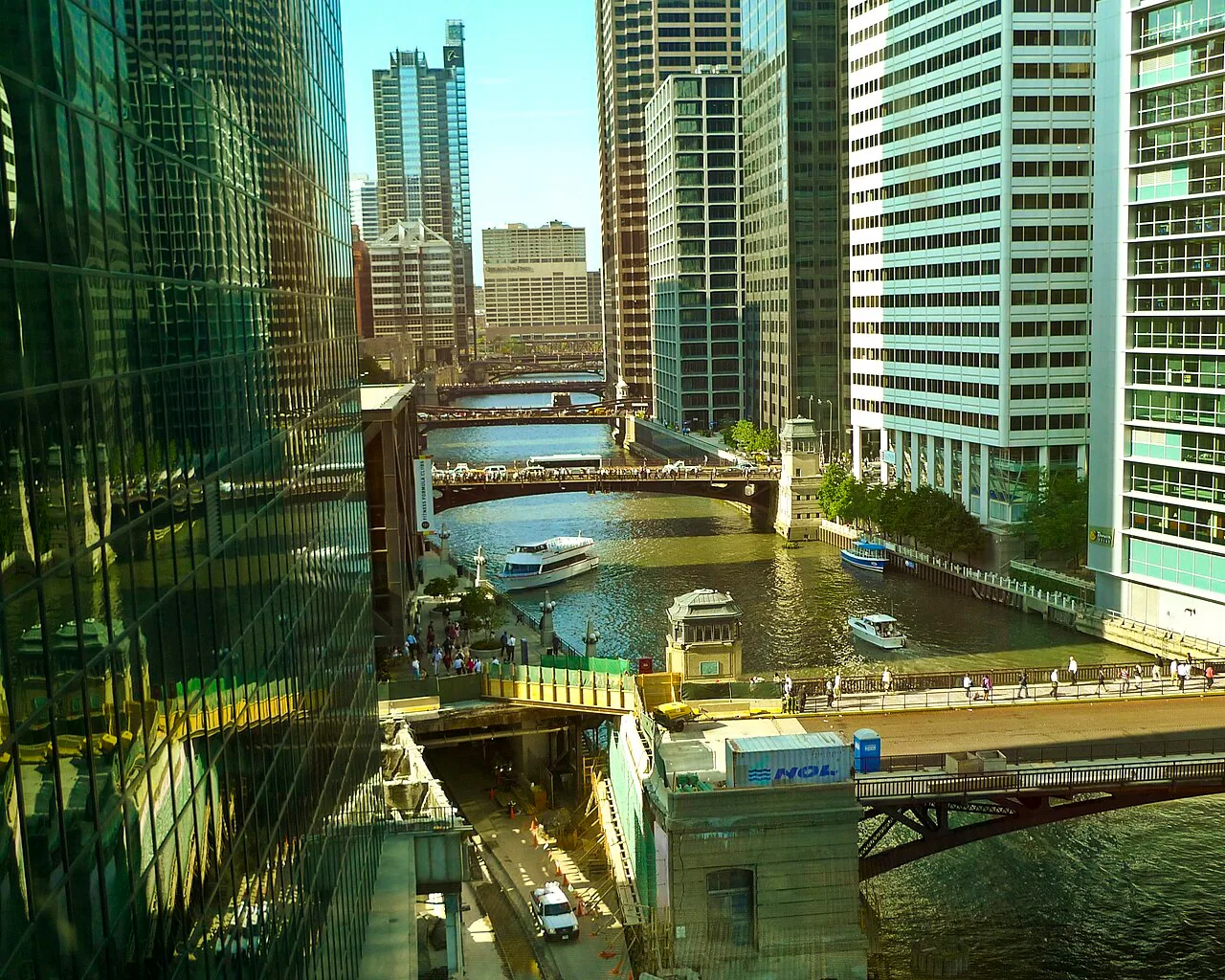
Use the Cultural Center as an indoor anchor for a downtown day. Decide whether your interest is the building itself or a current exhibition, then leave space for an unhurried walk outside. That combination works especially well when the weather is uncertain because you can move the indoor portion earlier or later without changing neighborhoods repeatedly.
Keep free public access separate from special uses. A publicly accessible building can still have restrictions on events, equipment, or formal photography. If you want ordinary travel photographs, follow the current visitor rules; if you are planning a posed professional shoot, do not assume general admission grants permission. A successful budget visit respects the building’s purpose as well as its price.
Official references: City of Chicago: Chicago Cultural Center
Los Angeles: understand what free Getty Center admission includes
Getty’s current visitor FAQ states that admission to the Getty Center is free and requires a timed-entry reservation. It also identifies a parking fee. Those details matter because a headline saying free art museum does not tell you whether your visit will be free from door to door. Use the current booking page and transport guidance before committing to the outing.
Choose what interests you most: a group of galleries, the relationship between architecture and landscape, or a slower visit to the grounds. You do not need to see everything. Plan a sequence that alternates concentration with a break, especially if your day already includes a substantial journey to reach the site.
If you are coordinating several people, make sure the reservation and arrival plan are understood by everyone. Save the confirmation and check what to do if plans change. Compare driving with other feasible transport options using the official directions, but do not select a complicated route solely to eliminate one cost. A budget decision should account for effort, accessibility, and the time you want to spend there.
Official references: Getty Center: Visitor Frequently Asked Questions
Boston: explore a section of the Freedom Trail at your own pace
The Freedom Trail Foundation describes a marked route connecting historic sites in downtown Boston and Charlestown and offers resources for self-guided exploration. Walking the public route is different from buying a guided tour or entering every associated historic site. Check the admission and access arrangements of any interior you want to visit; do not assume the entire collection of experiences has one universal free-entry rule.
Pick a section that suits your interest and available walking energy. A short route with time to understand a few places is often more memorable than following a line for its entire length while reading nothing. Use an official map to identify a logical beginning and end, then check how you will return to your accommodation or continue to another neighborhood.
Give the history some structure before setting out. Choose a question, such as how public meeting places shaped political life, and use it to connect the stops. Distinguish a building’s historical importance from whatever is accessible today. You can appreciate an exterior and its context without treating a closed door or an optional admission charge as a failed visit.
Official references: Freedom Trail Foundation: Visit
Build a full day without filling every hour
Consider a hypothetical Chicago plan. A visitor chooses the Cultural Center as the main indoor stop, sets aside time for one exhibition, and adds a nearby public-space walk. Lunch is a planned expense rather than a surprise. If rain arrives, the visitor spends longer indoors; if the exhibition visit is shorter than expected, the extra time becomes a relaxed break instead of a compulsory additional attraction.
The same structure works elsewhere. In Washington, a museum reservation can anchor the day. In Boston, a selected historical walk can be followed by a neighborhood pause. The common feature is geographical discipline: a small area, one main interest, and an easy way to stop. You are building an enjoyable day rather than proving that you can spend nothing under all circumstances.
Keep an accessible alternative in mind. A free outdoor route may have stairs, uneven surfaces, limited shade, or few toilets. An indoor venue may offer seating but require security screening. Check the details that affect your party, then decide whether the activity is suitable. Price is one selection criterion, not a replacement for practical planning.
Watch for the common free-admission traps
Read the eligibility wording carefully. A free day for local residents may require proof of residence; a student offer may need a specific credential; a donation-based event may still expect advance booking. A temporary promotion is not a permanent policy. When the conditions are unclear, check the operator’s page or contact the venue rather than relying on an old list.
Do not confuse free admission with guaranteed capacity. A reserved pass, a queue, a security check, and a separately ticketed event are all possible. Save confirmations, review cancellation instructions, and avoid arranging several inflexible commitments in a row. Leave enough room to enjoy the activity if entry takes longer than expected.
Finally, give yourself permission to spend selectively. Paying for a useful transport connection or an activity that matters to you can make the whole trip better. Free options are valuable because they expand your choices. Their purpose is to help you enjoy a city within your budget, not to turn the day into a contest of avoiding every purchase.
Frequently asked questions
Are free museums open to international visitors?
Some are, but the answer belongs to the individual museum’s admission policy. Check whether a particular offer is universal or restricted to residents, members, or another group. Never apply one venue’s eligibility rules to another.
Should I reserve a ticket when admission costs nothing?
Yes, when the operator requires it. Free timed-entry passes can control capacity. Check the official booking information, save the confirmation, and verify whether the pass applies to the building or to a particular exhibition.
How can I keep a free outing affordable overall?
Choose one neighborhood or connected area, compare transport and parking costs, plan food spending, and check what you are allowed to bring. A compact outing often protects both the budget and the energy needed to enjoy it.
Sources & further reading
- Smithsonian: Museums and Zoo Visitor Information ↗
- City of Chicago: Chicago Cultural Center ↗
- Getty Center: Visitor Frequently Asked Questions ↗
- Freedom Trail Foundation: Visit ↗
Source review: October 22, 2026. Opening arrangements, prices, access, and services can change; confirm current details with the responsible operator.
Editorial note
This guide is an editorial synthesis of referenced information and practical planning advice. It does not claim first-hand visits or live operator information. Hypothetical examples are identified in the text.
How we review content · Suggest a correction
Back to Local Experiences