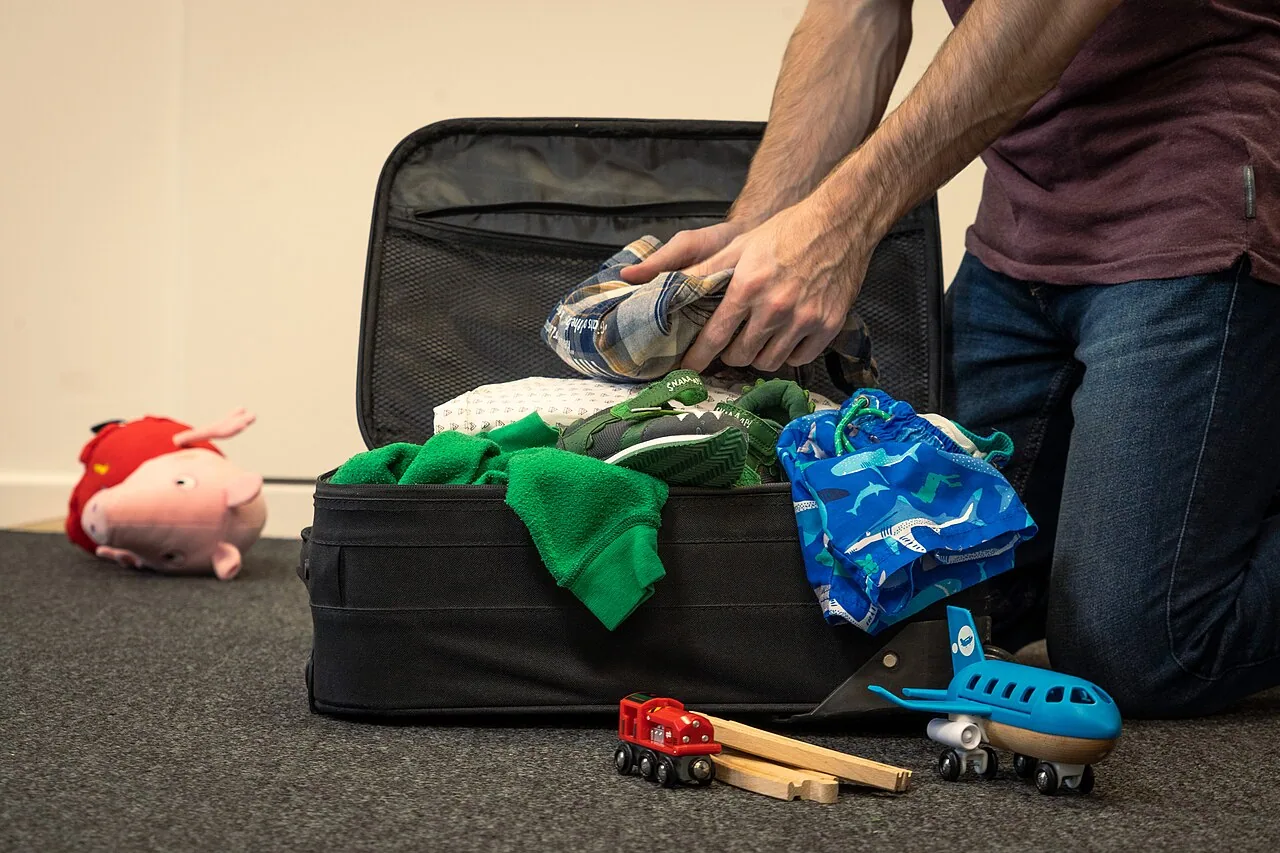
For a two-day city break, pack what allows you to arrive, walk comfortably, sleep, and get home with minimal fuss. Start with documents and personal essentials, add a small set of clothes suited to your actual plans, then include only the electronics and toiletries you will use.
The list below is organized by function rather than by an ideal bag size. Adjust it for the season, accommodation, transport allowance, disability-related needs, and any booked activity. A practical packing list should help you remember important items while making optional ones easier to leave behind; it should never pressure you to omit something necessary for your health or independence.
Documents and booking details
Keep the identification and travel documents required for your actual route. Domestic travel, an international journey, and a particular attraction's entry conditions do not share a universal document list. Check the relevant carrier, destination, and official requirements rather than copying a generic list from another traveler's trip.
Save your accommodation address, check-in instructions, transport bookings, and any timed-entry reservations somewhere you can use without a dependable signal. Where the issuer permits offline access, download the actual ticket rather than assuming a screenshot of a confirmation email will be accepted. Keep a separate note of essential contact details in case your primary device is unavailable.
For a short city trip, the goal is quick access rather than carrying a large folder of unrelated paperwork. Group the information for departure, arrival, and return so you do not search through old messages at a gate. If a booking is in another traveler's name, agree in advance who holds the tickets and what each person needs to enter.
A small clothing plan that works twice
Lay out what you will wear during travel and what you need for each full day. Choose combinations that share a comfortable base rather than treating Saturday morning, Saturday evening, and Sunday as unrelated packing projects. Add enough underwear and socks for your personal needs, and account for an activity likely to require a change.
A typical casual trip might use a travel outfit, a clean top for each main day, an adaptable outer layer, sleepwear, and any necessary personal extras. This is an illustration, not a prescription: a hot forecast, a formal event, or a specific laundry situation can change the balance. Clothing that works together is more important than hitting a particular garment count.
Check fit and comfort before packing. A garment you have never worn for a full day is a less reliable choice than one that already works for you. Keep the pieces that solve real requirements and remove duplicate options that exist only because you cannot decide between them.
Footwear and a realistic weather layer
Wear or pack the footwear you can comfortably use on the surfaces in your itinerary. City breaks can involve station corridors, steps, uneven paving, and standing inside museums as well as pleasant walks. Choose based on the full day rather than the appearance of a single activity.
Add a rain or temperature layer appropriate to the current forecast. An easily carried layer can be useful when you move between outdoors and indoor spaces, but a bulky coat is not automatically the answer to every forecast. Look at the destination's conditions and the exposure involved in a waterfront, viewpoint, or outdoor queue.
If your plans include a hike or another specialist activity, check whether your ordinary city footwear is suitable. Either bring the necessary equipment or choose a different activity; do not let the desire for a small bag make the route inappropriate. For serious weather warnings, change the plan. NOAA's official weather guidance is a useful starting point for US outdoor plans and illustrates why forecasts belong on the packing checklist.
Official references: NOAA: outdoor weather safety
Toiletries without a bathroom in your bag
Bring the products you expect to use during the actual length of the trip. Decant ordinary toiletries where it is appropriate and permitted, and avoid carrying full-size duplicates merely because they are already on the shelf. A small toiletry pouch makes it easier to see whether the essentials are present.
Confirm what your accommodation provides before removing items you need. Towels, a hair dryer, and particular toiletries are not universal features of every room. If you have specific skin-care or personal-care requirements, keep them separate from general advice about borrowing or buying substitutes. A short trip is not a reason to experiment with an unsuitable product.
For departures through US airport security, TSA's checklist explains the general carry-on liquids limits. Its standard framework is not the whole story for medically necessary items, which have separate provisions. For a return from another country, consult that airport's official guidance. Pack screening-sensitive items where you can access them without emptying the rest of your bag.
Official references: TSA: travel packing checklist
Medication, accessibility, and personal essentials
Put necessary medication and essential personal equipment on the list before optional clothes. Follow the advice and documentation requirements relevant to your own circumstances and destination. This packing guide cannot determine whether a particular medicine, device, or quantity is permitted on an international route; check authoritative guidance when those questions apply.
Keep items needed during travel accessible. If luggage is checked or moved away from your seat, you should still have what you need for the journey. Consider the possibility of a delay when deciding how to organize essentials, and use the instructions supplied for any device or medication storage requirement.
Include the small personal items that are easy to forget because you use them until departure: glasses, hearing-device supplies, retainers, or a specific charging lead. Make a short final-use list and check it before leaving home. A practical system is better than relying on memory while you are rushing to close the door.
Electronics that support the trip
Take the devices you will actually use and the cables that fit them. A phone and its charger may cover bookings, navigation, and casual photography for one traveler. Another may intentionally bring a camera or work device. Make that a conscious choice rather than loading the bag with every piece of equipment you own.
If needed, bring the correct plug adapter for the destination and check compatibility rather than assuming an adapter changes electrical voltage. A compact power bank can be useful, but flying with batteries has separate rules. Under FAA guidance, spare lithium batteries and power banks belong in carry-on baggage, with terminals protected and applicable limits observed. Damaged or recalled batteries must not be carried.
If your cabin bag is gate checked, remove items that must remain in the cabin and follow crew instructions. Check the operating airline's current rules as well as the relevant authority's guidance. Keep electronics together enough to find them, but avoid an elaborate organizer that weighs more than the small collection it holds.
Official references: FAA PackSafe: lithium batteries
The day bag and small conveniences
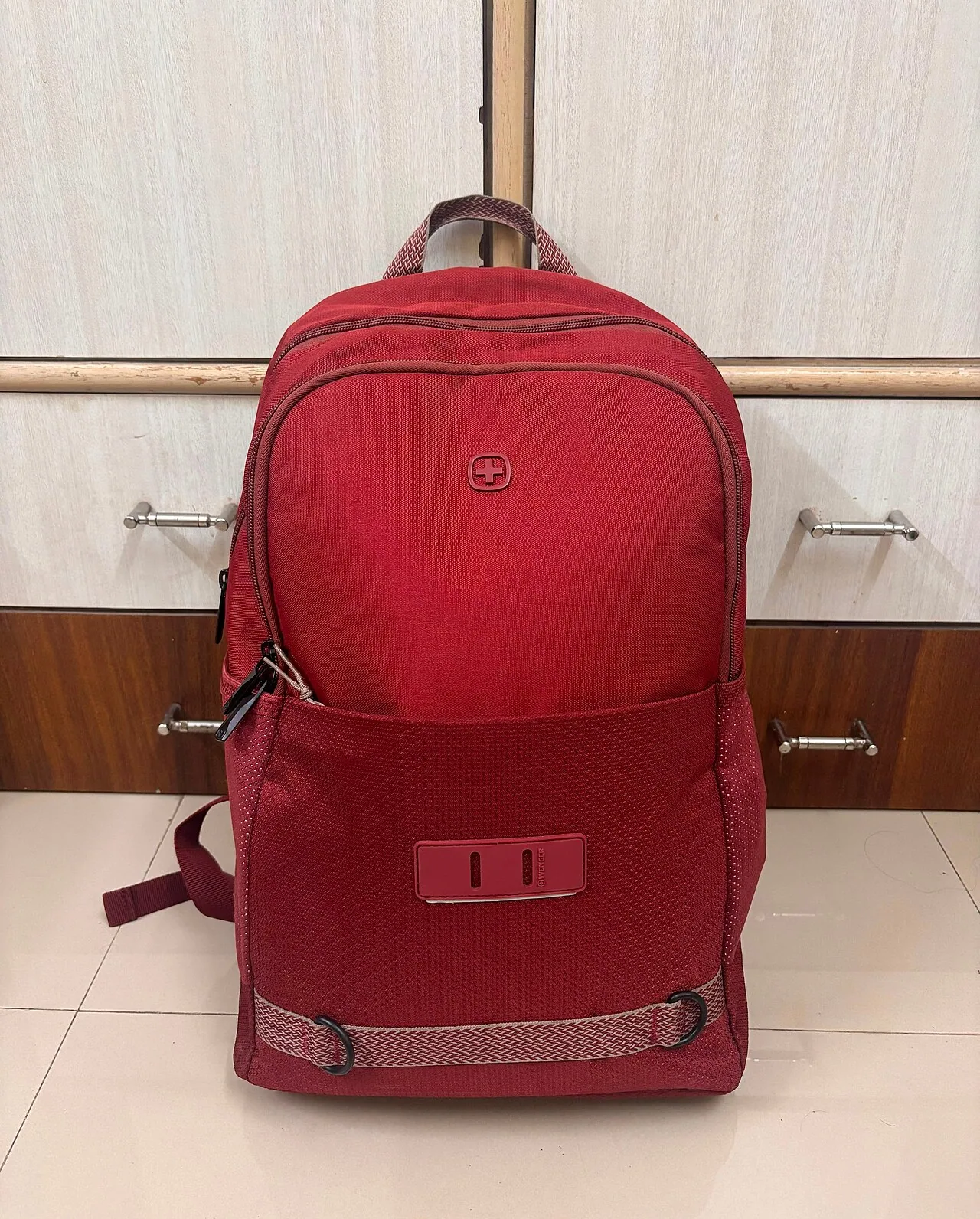
Choose a day bag that suits the amount you expect to carry around the city. It should hold essentials without encouraging you to bring the entire weekend inventory on each outing. Check how it feels after you add your phone, water, an outer layer, and any personal necessities.
Useful small items might include tissues, a reusable bottle where appropriate, a snack suited to your needs, and a simple way to separate worn clothing. Their value depends on the route and facilities. Do not let a list of inexpensive accessories turn into a second heavy packing project.
Think about where the larger bag will be after checkout. Confirm storage with the accommodation or another actual provider rather than assuming every station has lockers. A bag that you can carry comfortably gives you more options if storage is unavailable. The final afternoon is part of the trip, and planning for it can matter more than finding one extra pocket.
A sample pack and a return checklist
Picture a hypothetical traveler spending two nights in a city hotel, arriving by train, and planning casual sightseeing. They pack their required tickets and ID, a versatile clothing change, sleepwear, underwear and socks, personal toiletries, essential medication, and a phone charger. They wear their comfortable walking shoes and carry a weather layer. Their day bag stays light enough for the time between checkout and departure.
They skip a second heavy pair of shoes, an unplanned sports kit, and full-size toiletries already confirmed at the hotel. Another traveler attending an event or using specialist equipment would keep those needs on the list. The lesson is to match the pack to a defined trip, not to reproduce this example item for item.
Before leaving the room, check charging sockets, the bathroom, drawers, and the place where you left travel documents. Separate damp or worn items as needed and keep the return ticket accessible. Once home, note one thing you did not use and one thing you wished you had. That small review makes the next two-day packing list more personal and dependable.
Frequently asked questions
Can I pack for two days in one small bag?
Often, but bag size depends on your actual needs and transport allowance. Medical equipment, climate, event clothing, or accessibility requirements can justify more luggage. Choose a comfortable bag that meets those needs rather than chasing a universal minimalist size.
Should I take an extra pair of shoes?
Only if it serves a real activity, comfort need, or dress requirement that your main pair cannot handle. Shoes are bulky, so an optional second pair deserves more scrutiny than a small, versatile clothing item.
Do I need to carry a power bank?
It can help if your phone handles tickets and navigation, but it is optional when dependable charging is available. If flying, check current battery limits and packing rules; power banks must not be placed in checked luggage under FAA rules.
Sources & further reading
Source review: October 22, 2026. Opening arrangements, prices, access, and services can change; confirm current details with the responsible operator.
Editorial note
This guide is an editorial synthesis of referenced information and practical planning advice. It does not claim first-hand visits or live operator information. Hypothetical examples are identified in the text.
How we review content · Suggest a correction
Back to Weekend Escapes