A relaxed family city weekend needs fewer commitments than an adult sightseeing trip. Choose one main activity each day, place food and play within easy reach, and keep an uncomplicated way to return to your accommodation. That leaves room for the unexpected moments children often enjoy most: watching a boat, finding an unusual sculpture, or spending longer than planned at a playground.
Family-friendly does not mean suitable for every child. Age, interests, mobility, noise tolerance, and ordinary routines all affect whether an activity works. The useful question is not whether a city has enough attractions. It is whether the plan fits the people traveling with you, including the adults who will handle the bags, transport, and decisions.
Choose one anchor activity per day
An anchor gives the day a purpose: a museum with a subject your child enjoys, a public garden with space to explore, or a cultural activity designed for a suitable age group. Choose it together where possible. Offer two realistic options rather than a long list, and explain what each visit involves. A child who wants dinosaurs may not understand that a general museum day includes many other galleries.
Check the activity’s current visitor information before promising it. Reservations, age guidance, stroller arrangements, and special-program requirements can all matter. Distinguish general admission from a separate workshop or performance. If the main experience is unavailable, an unrelated ticket does not necessarily provide an equivalent visit.
Put optional extras around the anchor rather than after a series of compulsory bookings. A park stop can expand or shrink; two tightly timed admissions cannot. This protects the day when breakfast takes longer, a journey is delayed, or someone needs a quiet break. A successful family outing is not measured by how many confirmation emails you collected.
- Choose an activity that fits the actual age, interests, and access needs of your children.
- Check its current booking conditions before promising a particular program or experience.
- Keep food, play, and a comfortable pause within a manageable journey of the main stop.
- Agree that returning early is an acceptable choice, even when optional activities remain on the list.
Pair cultural activities with real opportunities to play
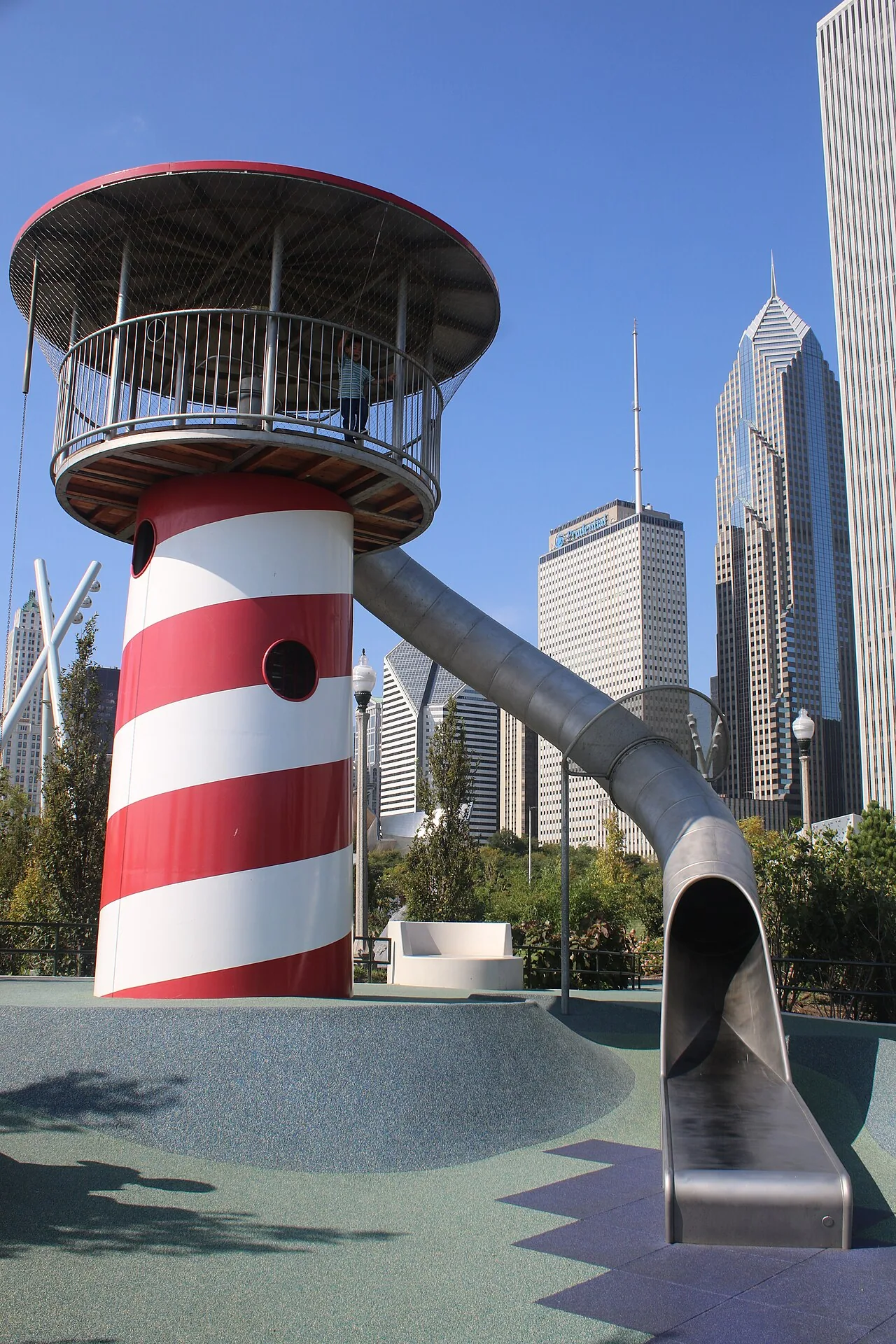
A playground is not merely a reward for completing an adult activity. It can be a central part of experiencing a city, particularly for younger travelers. Look for a nearby place to move freely, then check its actual suitability. A dramatic-looking play structure may have age restrictions or features that do not fit your child’s needs.
Chicago’s Maggie Daley Park illustrates why this check matters. Its Play Garden publishes age restrictions, including a younger-child focus and separate limits for large slides. The park also provides specific information about surfaces and play elements. Read the current rules before presenting it as a universal activity for children of every age.
Balboa Park in San Diego lists several playgrounds in different parts of the park. That gives families options, but the locations are not interchangeable. Choose the play area that fits your wider route and your child, rather than assuming any playground is conveniently beside the museum you selected. Plan the connection as carefully as the headline attraction.
Official references: Maggie Daley Park: Play Garden · Balboa Park: Playgrounds
Make a museum visit smaller and more purposeful
Choose a theme before entering. You might look for three animals, compare two kinds of transport, or find a painting with an interesting landscape. A clear, limited mission gives children something to notice and gives adults permission to leave without covering every room. Build the visit around attention rather than the size of the collection.
Check whether the institution offers family resources that suit the visit. Getty’s family information includes guidance and practical facilities, while its general admission arrangements still require checking the current reservation rules. A free-entry family activity can be valuable, but free does not remove the need to plan arrival and transport.
Allow different responses. One child may want detailed explanations while another prefers looking quickly and returning to a favorite object. If more than one adult is traveling, discuss whether brief separate routes would help. Agree on a meeting place first. Avoid turning the visit into a quiz in which every display requires a correct answer; curiosity is a better goal than performance.
Official references: Getty Center: Family Visits
Treat food, rest, and the base as part of the itinerary
A practical accommodation location can do more for a relaxed weekend than an extra attraction ticket. Compare the route to the places you actually intend to visit, the availability of ordinary meals, and the ease of returning for a break. A glamorous address is less useful if every outing begins with a complicated connection.
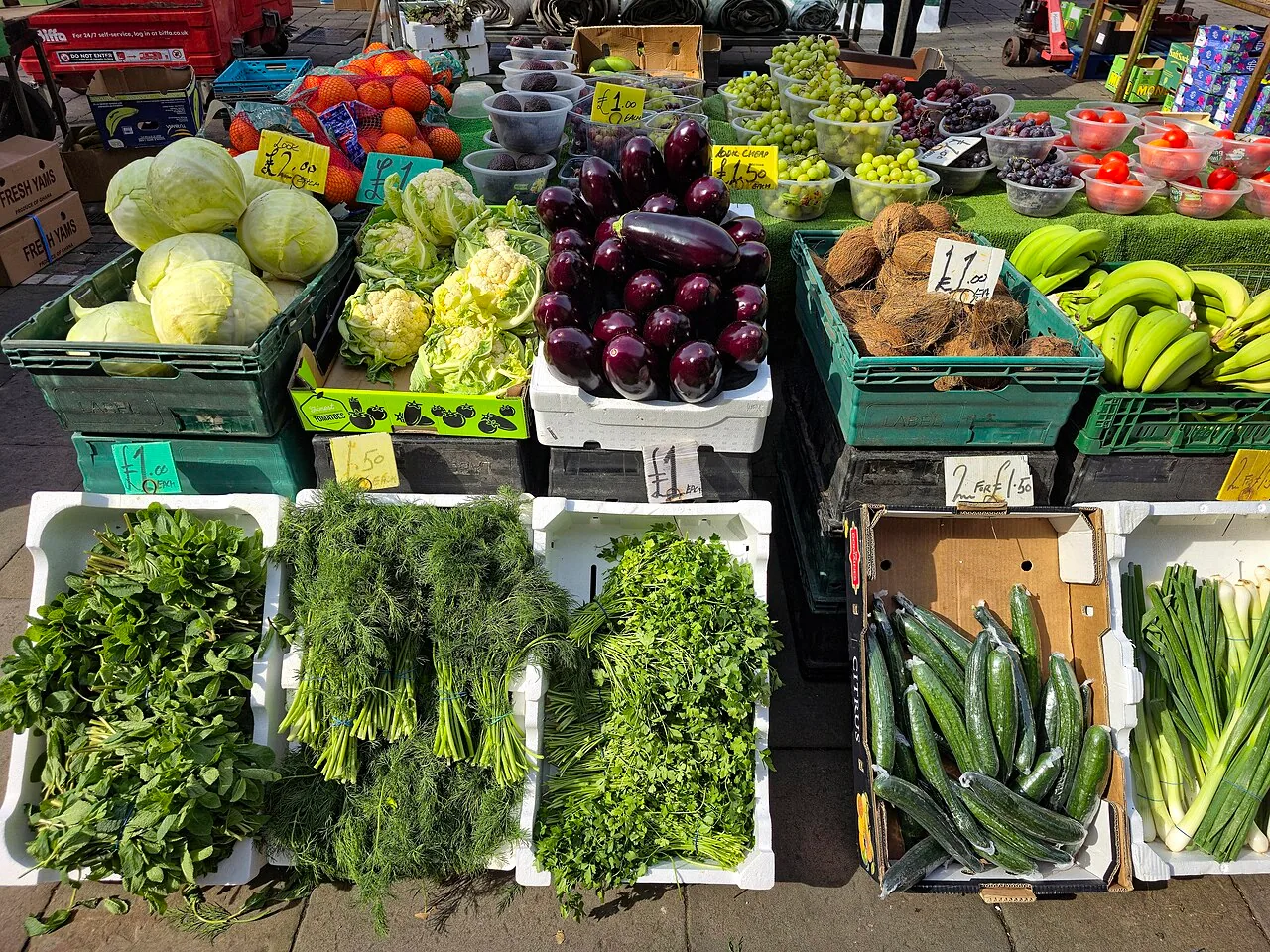
Identify meal options before everyone is hungry. Keep one familiar choice available even if the adults want to explore local food. A market or café can work well when seating and suitable food are clear, but a crowded standing-only format may not fit your party. Check menus and opening information rather than relying on a general family-friendly label.
Carry only the things needed between planned breaks. Decide who holds tickets, who carries the essential bag, and how you will manage coats or a stroller indoors. A small amount of coordination reduces repeated decisions. If your children still need a regular rest, build it into the plan instead of treating it as an interruption that must be recovered later.
Use the journey as an activity, but keep it manageable
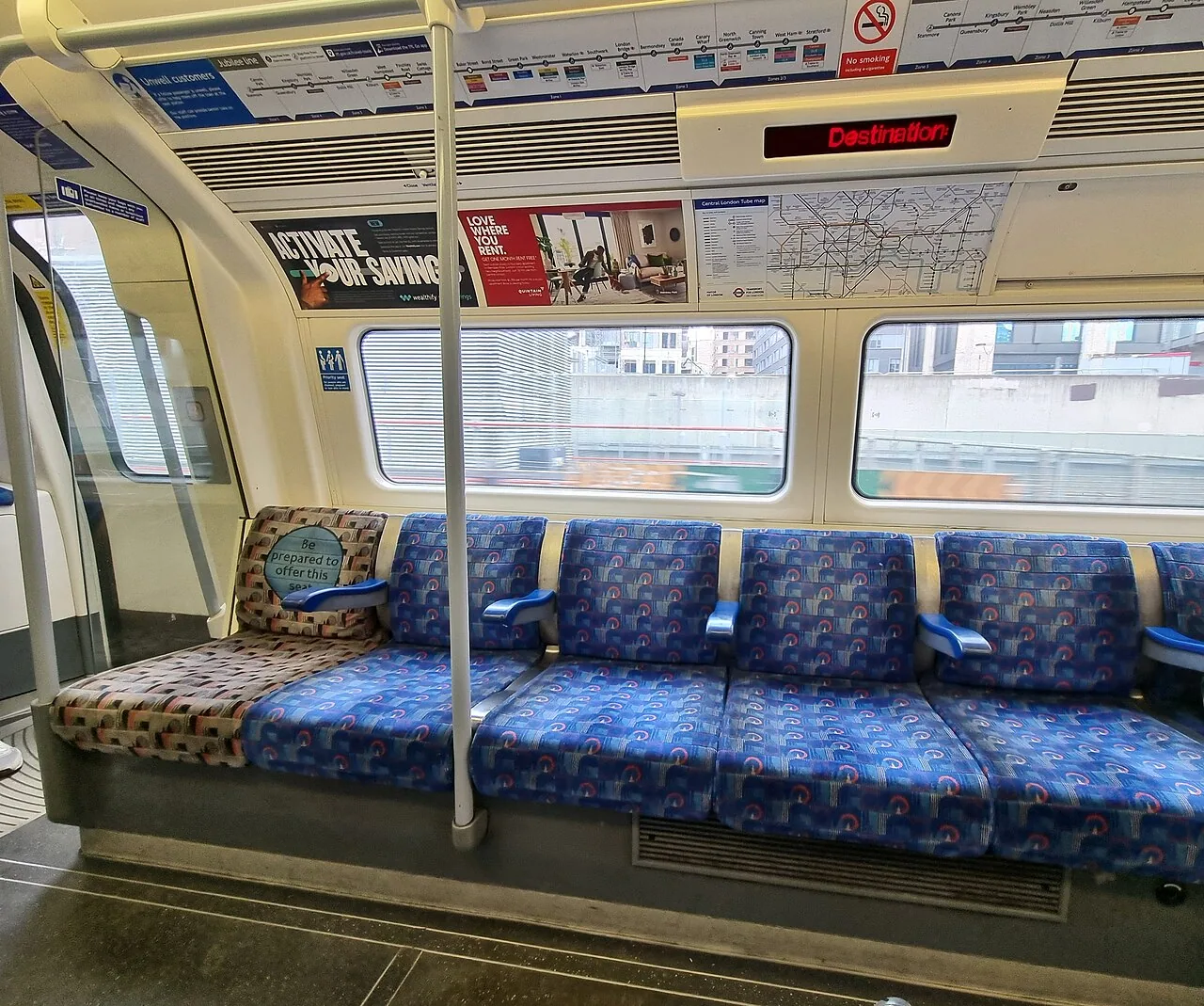
Some children enjoy public transport as much as the destination. A straightforward ride can introduce the city’s shape and create a shared experience. Choose it because it fits the route, not because an elaborate chain of trains and buses sounds exciting on paper. The adults still need to manage tickets, belongings, platforms, and the return journey.
Check the transport operator’s current child-fare and access information. Rules vary by network and can depend on age, ticket type, or accompanying adults. Do not assume a child travels free everywhere because that was true in another city. If you use a stroller or mobility equipment, verify the route through stations rather than treating an accessible vehicle as proof of an accessible trip.
Make the journey understandable. Tell children where you are going, roughly what sequence to expect, and what happens if you change plans. Agree on an age-appropriate meeting or separation plan. Keep the important details with the adults instead of relying on a child to remember a complicated set of instructions while distracted by a new place.
Build a weekend with room to stop early
Consider a hypothetical family arriving on a Friday with two children who enjoy making things and outdoor play. Friday stays simple: settle in, eat nearby, and take a short orientation walk if everyone wants one. Saturday has a single cultural anchor, followed by lunch and a suitable play area. Returning to the accommodation remains an acceptable ending, not a backup that signals defeat.
Sunday begins with a choice between a small market visit and a public garden, depending on energy and weather. The family keeps departure arrangements clear and avoids putting its most important activity immediately before a train or flight. A souvenir can be chosen during an existing stop rather than creating a last-minute shopping expedition.
The details can change by city and age. The structure remains useful: low-pressure arrival, one main experience on the full day, and a flexible departure day. Teenagers might replace the playground with independent browsing or a subject-specific exhibition. Mixed-age groups may need separate short periods rather than a single activity advertised as perfect for everyone.
Prepare one weather alternative and avoid overbooking
Choose a weather alternative in the same general area as your original plan. Replacing a park with a nearby indoor activity is easier than crossing the city during heavy rain. Confirm that the alternative can actually be entered without a difficult last-minute booking. A backup that is unavailable when needed is only another idea on a list.
The most common planning mistake is adding activities to compensate for the possibility that one will disappoint. That creates pressure before the trip begins. Another is scheduling every family member’s favorite experience without considering the journeys between them. Discuss priorities and accept that some wishes belong on a future visit.
End each day with a brief conversation about what worked: enough play, the right meal time, an interesting object, or simply a comfortable journey. Use that information to adjust the next day. A relaxed weekend is built through small decisions that fit your family, not through finding a city itinerary that promises to remove every uncertainty.
Frequently asked questions
How many attractions should a family plan each day?
Begin with one main activity and keep other possibilities optional. The right amount depends on the children and the journeys involved. Leave enough time for meals, play, rest, and the possibility that an interesting stop takes longer than expected.
Are free activities always easier for a family weekend?
They can reduce pressure to stay for a long time, but check reservations, age limits, access, and transport costs. A free attraction that requires a difficult journey may be less suitable than a closer activity that better fits your family.
What is the best response when a child wants to leave early?
Check whether food, rest, noise, or a different interest explains the problem. Shorten the visit or change the plan when appropriate. Leaving with a positive impression is often more useful than completing a schedule that no one is enjoying.
Sources & further reading
Source review: October 22, 2026. Opening arrangements, prices, access, and services can change; confirm current details with the responsible operator.
Editorial note
This guide is an editorial synthesis of referenced information and practical planning advice. It does not claim first-hand visits or live operator information. Hypothetical examples are identified in the text.
How we review content · Suggest a correction
Back to Local Experiences