A city transit pass is worth buying when its actual benefits fit the journeys you are likely to make. The important word is actual: a pass that excludes your airport train, starts too early, or covers an operator you barely use can be poor value even when its headline sounds generous.
Before buying, distinguish a prepaid pass from a payment card, a fare cap, and an attraction bundle. These products can look similar in a visitor brochure while working very differently at the ticket reader. This guide shows how to compare them using your itinerary, without relying on a universal rule about how many rides make a pass worthwhile.
Know whether you are buying a pass, a card, or a cap
A transport card is a way to hold or identify travel credit and products; it is not automatically an unlimited pass. A time-based pass generally covers eligible journeys during a defined period. A fare cap limits qualifying pay-as-you-go spending once you reach a threshold, so you may receive its benefit without paying for a whole pass in advance.
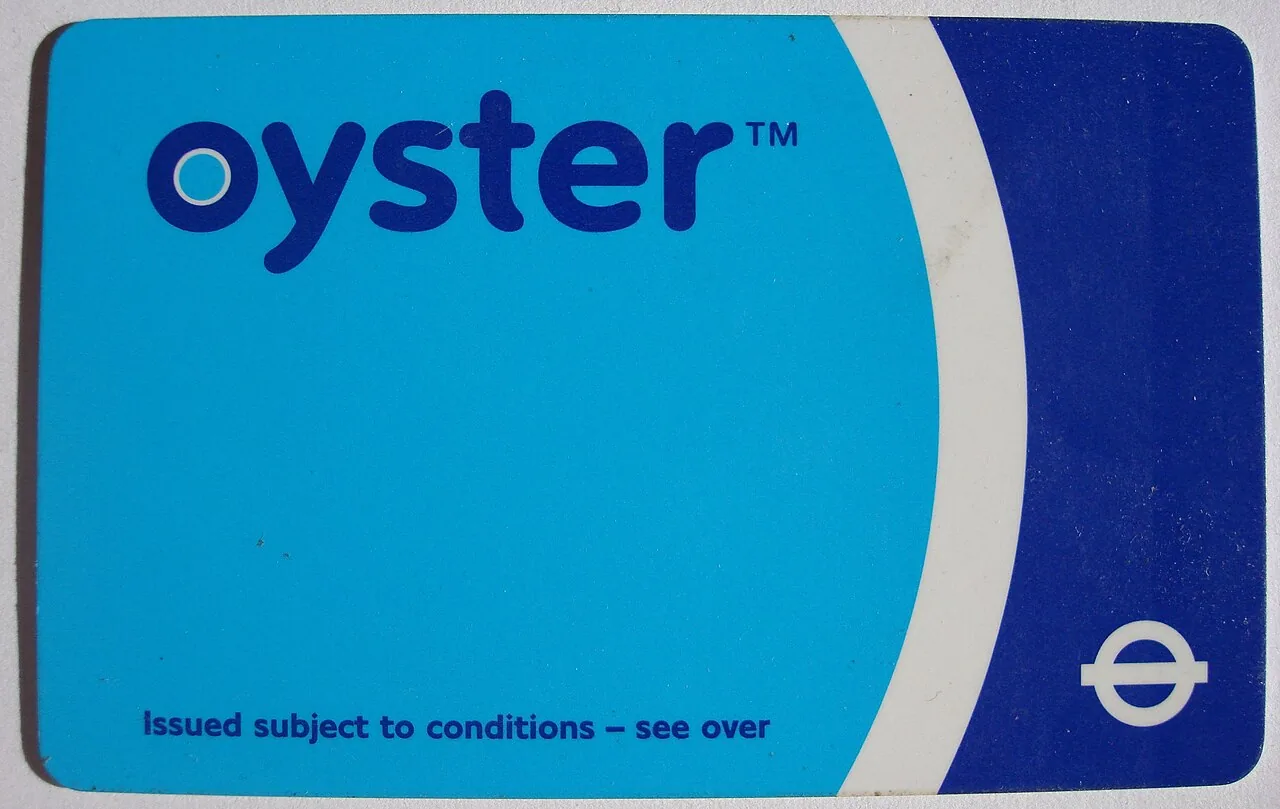
MTS explains that PRONTO can earn day and monthly fare caps through eligible use. CTA separately offers prepaid unlimited-ride passes. TfL describes daily and weekly caps for qualifying contactless and Oyster journeys. Those examples show why the label city card is not enough to understand a product. Identify the exact mechanism before comparing its price with your expected travel.
Official references: MTS: PRONTO best-fare system · CTA: unlimited-ride pass validity · TfL: fare capping
Check the operators, zones, and services it covers
List your expected modes: metro, ordinary bus, tram, suburban rail, airport express, ferry, and any regional train. Then mark which ones are covered by the proposed product. Similar branding or an integrated map does not prove universal ticket acceptance. An attractive unlimited label still needs a definition of the network on which it applies.
Look carefully at airport journeys and trips beyond the central area. A pass might cover a local line to the airport but not a separate express service. Regional products may have zone or premium-service supplements. MTS's fare chart, for example, distinguishes standard and premium services and includes separate COASTER information. The lesson is to check your actual route against the product's terms, not to assume that one transit brand covers every vehicle nearby.
Official references: MTS: fare chart and service coverage
Understand when the clock starts and stops
A one-day product can mean a calendar day, a transport operating day, or a rolling period after activation. A multi-day pass can similarly run for fixed dates or a defined number of hours. Read both the activation rule and the expiry rule. Buying a ticket does not always activate it, while using a ticket for a minor arrival journey can sometimes start its clock earlier than you intended.
CTA states that its unlimited-ride pass activates on first use and runs for the full specified period from that point. TfL's weekly capping uses a fixed Monday-to-Sunday period rather than a rolling week. These are materially different structures. A Thursday-to-Wednesday visit should not automatically be treated as the same fare problem as a Monday-to-Sunday visit. Check the product that matches your dates.
Official references: CTA: unlimited-ride pass validity · TfL: fare capping
Count realistic journeys, not every place on your saved map
Sketch each day as movements between areas. If you plan to walk between a museum, a market, and dinner in the same district, do not count three separate transport rides. Count the ride into the area and the return, then check whether any connection is included in a transfer arrangement.
Separate certain travel from optional travel. Your airport connection and hotel return may be firm, while an evening cross-city outing is only a possibility. Run the calculation once with the likely itinerary and once with a lower-activity version. A pass that saves money only if you rush between many scattered places may be buying pressure rather than convenience. You should not need to redesign an enjoyable trip to justify the ticket.
Use a simple hypothetical comparison
Suppose an imaginary system charges three units per independent journey and sells a one-day pass for nine units. With no transfers or other caps, two journeys cost six units, three cost nine, and four cost twelve. In that simplified example, the pass ties at three journeys and saves three units at four. These are invented teaching figures, not current fares in any destination.
Now change the assumptions. If a return includes a free connection, you must count paid journeys rather than vehicles boarded. If eligible pay-as-you-go spending is automatically capped at nine units, prepaying may not produce a financial advantage. If acquiring the pass adds a nonrefundable card fee, include that expense. The arithmetic is simple only after you understand the rules, which is why checking coverage and transfers comes before calculating a break-even point.
Keep the fare identity consistent
Caps depend on the system recognizing qualifying travel. TfL instructs riders to use the same card or device, and explains that switching between a phone and a physical contactless card can split journeys that might otherwise count together. Treat the payment method as part of your itinerary, not merely as a convenient way to enter whichever gate is nearest.
For mobile tickets, confirm whether the product is tied to an account, a specific device, or a particular traveler. Keep it available for validation and inspection. Do not assume that several people can share an unlimited pass because a reader accepts more than one tap. CTA's payment guidance distinguishes the pass holder's travel from additional fares paid for other riders. Group payment and individual pass entitlement are separate questions.
Official references: TfL: use the same card or device · CTA: paying your fare
Investigate transfers, concessions, and exceptions
Check whether a standard fare already includes certain transfers and whether the transfer window starts at purchase, activation, or first validation. A sightseeing day with several short hops may cost less than the number of boardings suggests. Conversely, changing between two operators may require another payment even when the physical interchange is easy.
Age-based, disability-related, resident, and other concessions can change the comparison, but eligibility and identification requirements must be checked. Do not buy a reduced product merely because your home city would offer the discount. For children, inspect the rules of each relevant operator and the fare product itself. Include any required application or card acquisition in your preparation instead of discovering at a station that an advertised discount is not immediately available.
Decide what convenience is worth to you
A pass can be a reasonable choice even when it only roughly matches expected individual fares. It may reduce repeated ticket purchases or let you change plans without recalculating every ride. That value is strongest when you understand the system and will use the covered network comfortably. It is weaker when the product adds a new app or complicated activation process you otherwise would not need.
Avoid confusing an attraction bundle with a transport pass. A product that combines admissions and a sightseeing bus may not replace the ordinary local journeys you need. Price the attractions you genuinely intend to enter, consider reservation requirements, and assess local transport separately. Convenience is personal, but it should come from removing real friction rather than an appealing unlimited-travel slogan.
Separate an urgent arrival ticket from the whole-trip decision
An airport station can be a poor place to make an unfamiliar multi-day fare decision while tired and carrying luggage. Research the options beforehand, but distinguish what you need immediately from what you can decide after understanding your first day. The cheapest suitable ticket for the arrival connection is not necessarily the best product for the rest of the trip.
If you are uncertain, check whether buying a single journey now affects a later cap or pass purchase. Some systems recognize eligible spending automatically; others do not convert separate tickets into a pass. Do not assume an upgrade exists. A short note with the exact product names and official links can help you choose without relying on an advertisement beside a machine. Purchase only once the coverage and activation rules are clear.
Buy through the official channel and check the result
Use the operator's official website to identify authorized purchase methods. Before payment, verify the product name, traveler category, start conditions, and refund terms. After purchase, confirm that the intended product is on the correct card or account rather than only assuming a successful payment means the pass is ready.
Keep a receipt or booking record and understand the support process. A lost card, failed phone, or accidentally activated product may have different remedies. Check current fares again close to travel because this guide explains a method rather than preserving a price list. The final decision should be easy to state: this product covers these journeys, during these dates, for a cost that is reasonable for the way we expect to travel.
Frequently asked questions
Does unlimited travel include every transport service?
No. It means unlimited eligible journeys within the product's defined network and period. Airport expresses, regional services, premium buses, ferries, or particular zones may be excluded. Compare the precise services in your itinerary with the operator's coverage rules.
Is fare capping the same as buying a day pass?
Not exactly. Capping limits eligible pay-as-you-go spending, whereas a pass is normally a product with its own validity conditions. They can produce a similar spending ceiling, but qualifying payment methods, service coverage, and time periods can differ. Read the local rules before assuming equivalence.
Should I buy a pass before arriving?
Only when you understand the product and advance purchase serves a purpose. Check whether it activates immediately, requires collection, or needs a compatible device. If your plans remain flexible and the network offers suitable pay-as-you-go capping, waiting may avoid an unnecessary commitment.
Sources & further reading
- MTS: PRONTO best-fare system ↗
- CTA: unlimited-ride pass validity ↗
- TfL: fare capping ↗
- MTS: fare chart and service coverage ↗
- TfL: use the same card or device ↗
- CTA: paying your fare ↗
Source review: October 22, 2026. Opening arrangements, prices, access, and services can change; confirm current details with the responsible operator.
Editorial note
This guide is an editorial synthesis of referenced information and practical planning advice. It does not claim first-hand visits or live operator information. Hypothetical examples are identified in the text.
How we review content · Suggest a correction
Back to Getting Around